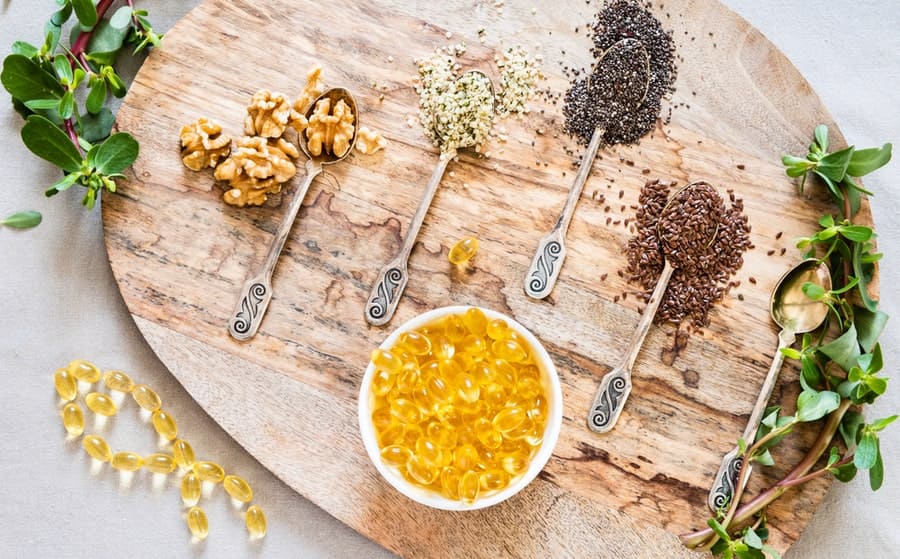
How to improve cardiovascular health? 10 tips
Heart and blood vessel problems are a recurring issue of concern. They are considered the leading cause of death worldwide1, and many habits of modern society favour their onset. In this context, it is essential to know how to improve cardiovascular health.
The first thing to ask oneself is…
What are the cardiovascular risk factors?
There are many, classified into 2 types depending on whether or not they can be acted upon2.
Non-modifiable
Perhaps the least interesting as they are unalterable.
We are talking about characteristics such as age3 (especially from 40-45 onwards), family history4, or sex5.
Until the age of 50, men are more prone to cardiovascular difficulties. Afterwards, women are more prone, following the menopause5.
Modifiable
This includes those that can indeed be acted upon, as they are associated with lifestyle6.
A sedentary lifestyle and a poor diet are two of the most important6. In fact, a lack of exercise is considered one of the major cardiovascular risk factors7.
On the other hand, and likely consequences of the former, we have high cholesterol and blood sugar, high blood pressure, high heart rate, and obesity6.
Also stress and anxiety6, which are more related to the psychological profile of the individual8.
To all this, we must add excessive alcohol consumption and smoking6. Smokers are up to 3 times more likely to suffer from a heart problem9.
10 basic tips to improve cardiovascular health
As described by the Spanish Heart Foundation in its healthy living decalogue, it is advisable to adopt these 10 recommendations10:
- Maintain a heart-healthy diet in which you prioritise "real" food: fruit, vegetables, greens, fish, olive oil, etc. Limit the intake of salt, simple sugars, cold meats, red meat, and ultra-processed foods.
- Practise physical activity daily. Do not forget to incorporate strength training into your routine alongside cardiovascular exercise.
- Give up smoking and reduce alcohol to minimum amounts.
- Control your body weight. Eating well and exercising will help you achieve this.
- Monitor your waist circumference (at navel level) ensuring it does not exceed 88/102 cm if you are a woman or a man, respectively. Fat accumulated here is a cardiovascular risk marker.
- Check that your blood pressure does not exceed 140/90 mmHg. Do this at least once a year, and more frequently if you suffer from hypertension.
- Check your cholesterol and blood glucose from time to time.
- Ask your doctor. Have them examine you and guide you on how to look after your cardiovascular health.
- Lean on other people. It will be easier for you to meet your goals.
- Learn to manage your stress and anxiety. Speak with a specialist if necessary.
Take it step by step
If your current habits are not very good, start implementing changes progressively. Do not try to go from 0 to 100 in a week.
However, do not put it off until after the next bank holiday, next Monday, or the 1st of every month.
The best day is today.
And you are the one who must take the first step.
4 useful supplements for cardiovascular health
At Anastore, you have a range of products that will help you alongside the previous tips.
Remember to consult your GP before you start taking any of them, especially if you are on medical treatment or suffer from a severe condition.
Organic red yeast rice and green tea
Monascus purpureus Went, known as red yeast rice (RYR), is a highly valued ingredient due to its monacolin content. Several have been identified, although one shines above the rest: monacolin K11.
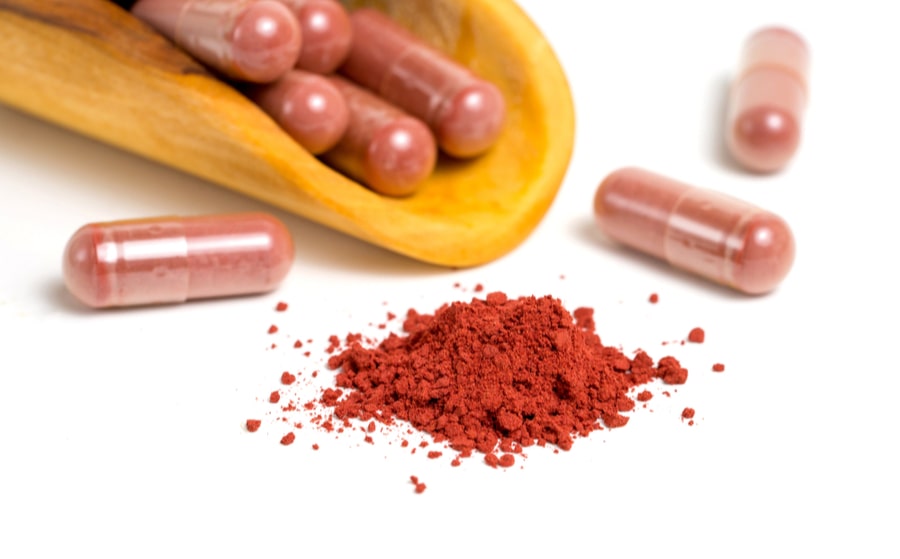
In a meta-analysis of 20 studies in which RYR was used, it was shown to contribute to maintaining normal blood cholesterol levels11, 12.
For its part, green tea (Camellia sinensis L.) helps maintain heart health13 for various reasons:
- It contributes to the reduction of body fat14 and helps increase its oxidation14.
- When combined with a healthy diet and exercise, it can help control weight14.
- It helps maintain blood glucose levels as part of a healthy lifestyle15.
It is also a source of antioxidants16. The leaves are abundant in polyphenols, especially catechins. Among them, epigallocatechin gallate (EGCG) stands out as one of its most bioactive elements17.
In light of the effects of both, imagine the result of combining red yeast rice and green tea in an organic supplement. Try it!
Garlic, olive, and hawthorn
Garlic (Allium sativum L.) is a very well-known food that possesses different benefits18.
On the one hand, it helps to maintain normal cholesterol levels19 and blood lipids19.
On the other hand, it is used for good blood circulation in microvessels20 and helps reduce the feeling of heavy legs20.
It contains many active components, the most important being organosulfur compounds (allicin, alliin, diallyl sulphide…)18.
If you are worried about its strong smell and taste, or that it might upset your stomach, forget about it with deodorised garlic bulb extract capsules. You will see how easy they are to take.
You have another option, which we have named Blood Pressure Formula. A synergistic blend of natural origin that, in addition to deodorised garlic, contains:
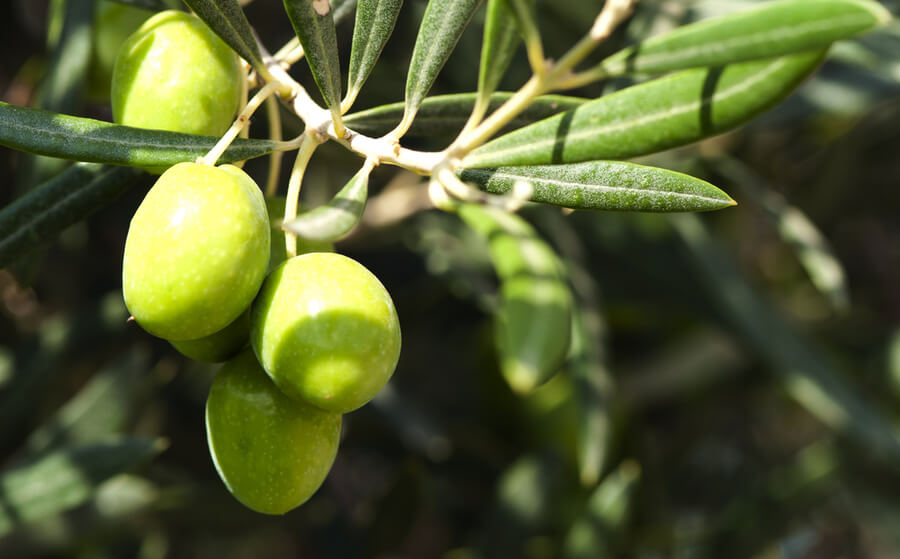
- Olive (Olea europaea L.). In a clinical trial where olive leaf extract rich in oleuropein was given, it was found to contribute to the maintenance of normal blood pressure21, 22.
- Hawthorn (Crataegus spp.). It increases oxygen flow23 and improves peripheral blood circulation23, supporting heart functions23. The leaves and flowers are typically used for their flavonoid and proanthocyanidin content24.
Taking 2 capsules a day will be enough to obtain all the positive effects of this plant trio.
Centella asiatica
Centella asiatica (L.) Urb. is a tropical plant that spreads across a large part of the planet. Especially in Asian countries such as India, China, Nepal, and others in Southeast Asia. Colloquially, it is known as Gotu Kola25.
Its main bioactive constituents are triterpenes: asiaticoside, asiatic acid, madecassic acid, and madecassoside25.
It has other components such as flavonoids, phytosterols, or chlorogenic acid, but they are less relevant25.
Regarding its benefits, it has been seen to help maintain venous circulation26.

In fact, a pair of scientists conducted a systematic review to discover the extent to which this plant possesses such activity27.
After analysing 8 studies, they concluded that, despite the need for further research, it does indeed seem to support peripheral circulation in cases of tired legs26, 27.
At Anastore, you have available a Gotu Kola supplement made from the dry extract of its leaves. It contains 20% triterpenes to ensure maximum quality. Take a look.
Omega 3
Omega 3s are natural fatty acids essential for the health of the human body. Some of the benefits of omega 3 verified by science include: eye health, as it contributes to the maintenance of normal vision28, 29, and its involvement in different factors for cardiovascular health29, 30.
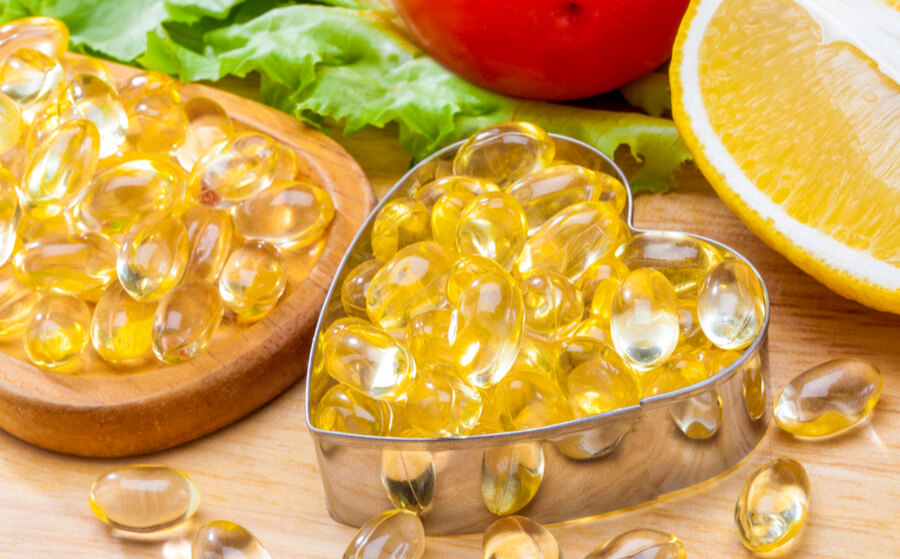
There are different types of Omega 3, such as Alpha-linolenic acid (ALA), Eicosapentaenoic acid (EPA), and Docosahexaenoic acid (DHA).
- Omega 3 ALA contributes to maintaining normal blood cholesterol levels31.
- EPA and DHA contribute to the normal function of the heart, maintaining normal blood pressure and normal blood triglyceride levels32.
The range of Anastore supplements allows you to choose between these different types of Omega 3 (ALA and DHA), enabling you to benefit from the advantages these fatty acids can bring to your cardiovascular health.
If you were looking for how to improve cardiovascular health, you now have the whole kit to do so. Start by adopting the 10 recommendations we have listed above. It is the foundation!
Bibliography
- World Health Organization. Cardiovascular diseases. 17 May 2017.
- Lobos JM, Brotons C. Cardiovascular risk factors and primary care: assessment and intervention. Aten Primaria. 2011; 43(12): 668-677. doi:10.1016/j.aprim.2011.10.002.
- Spanish Heart Foundation. Age.
- Spanish Heart Foundation. Family history.
- Spanish Heart Foundation. Sex.
- Spanish Heart Foundation. Risk factors.
- Spanish Heart Foundation. Lack of exercise - Sedentary lifestyle.
- Spanish Heart Foundation. Stress and anxiety.
- Spanish Heart Foundation. Tobacco and smoking.
- Spanish Heart Foundation. Healthy living decalogue.
- Cicero A, Fogacci F, Banach M. Red Yeast Rice for Hypercholesterolemia. Methodist Debakey Cardiovasc K. 2019; 15(3): 192-199. doi: 10.14797/mdcj-15-3-192.
- COMMISSION REGULATION (EU) No 432/2012 of 16 May 2012 establishing a list of permitted health claims made on foods, other than those referring to the reduction of disease risk and to children’s development and health.
- Extracted from the EFSA health claims application list, under evaluation (ID 1275).
- Extracted from the EFSA health claims application list, under evaluation (ID 1544).
- Extracted from the EFSA health claims application list, under evaluation (ID 1108).
- Extracted from the EFSA health claims application list, under evaluation (ID 1103).
- Nagao T, Hase T, Tokimitsu I. A green tea extract high in catechins reduces body fat and cardiovascular risks in humans. Obesity (Silver Spring). 2007: 15(6): 1473-83. doi: 10.1038/oby.2007.176
- Shang A et al. Bioactive Compounds and Biological Functions of Garlic (Allium sativum L.). Food. 2019; 8(7): 249. doi: 10.3390/foods8070246.
- Extracted from the EFSA health claims application list, under evaluation (ID 1992).
- Extracted from the EFSA health claims application list, under evaluation (ID 2208).
- Lockyer S, Rowland I, Spencer J, Yaqoob P, Stonehouse W. Impact of phenolic-rich olive leaf extract on blood pressure, plasma lipids and inflammatory markers: a randomised controlled trial. Eur J Nutr. 2017; 56(4): 1421-1432. doi: 10.1007/s00394-016-1188-y.
- Extracted from the EFSA health claims application list, under evaluation (ID 3781).
- Extracted from the EFSA health claims application list, under evaluation (ID 2789).
- Wang J, Xiong X, Feng B. Effect of crataegus usage in cardiovascular disease prevention: an evidence-based approach. Evid Based Complement Alternat Med. 2013; 2013: 149363. doi: 10.1155/2013/149363.
- Mohd Razali NN et al. Cardiovascular Protective Effects of Centella asiatica and Its Triterpenes: A Review. Planta Med. 2019; 85(16): 1203-1215. doi: 10.1055/a-1008-6138.
- Extracted from the EFSA health claims application list, under evaluation (ID 3742)
- Chong NJ, Aziz Z. A Systematic Review of the Efficacy of Centella asiatica for Improvement of the Signs and Symptoms of Chronic Venous Insufficiency. Evid Based Complement Alternat Med. 2013; 2013: 627182. doi: 10.1155/2013/627182.
- Merle BM, Benlian P, Puche N, Bassols A, Delcourt C, Souied EH; Nutritional AMD Treatment 2 Study Group. Circulating omega-3 Fatty acids and neovascular age-related macular degeneration. Invest Ophthalmol Vis Sci. 2014 Mar 28;55(3):2010-9. doi: 10.1167/iovs.14-13916. PMID: 24557349.
- Annie T. Ginty, Sarah M. Conklin, Short-term supplementation of acute long-chain omega-3 polyunsaturated fatty acids may alter depression status and decrease symptomology among young adults with depression: A preliminary randomized and placebo controlled trial, Psychiatry Research, Volume 229, Issues 1–2, 2015, Pages 485-489,ISSN 0165-1781.
- Peter S, Chopra S, Jacob JJ. A fish a day, keeps the cardiologist away! - A review of the effect of omega-3 fatty acids in the cardiovascular system. Indian J Endocrinol Metab. 2013;17(3):422-429. doi:10.4103/2230-8210.111630.
- COMMISSION REGULATION (EU) No 432/2012 of 16 May 2012 establishing a list of permitted health claims made on foods, other than those referring to the reduction of disease risk and to children’s development and health.
About the author
Content researched and written by the Anastore editorial team.
Reviewed and verified against scientific literature by our Nutrition and Research Department.
Find out more about our editorial policy and scientific rigour.

This article is strictly for informational purposes and does not replace the advice of a healthcare professional.