What is fenugreek used for? Support for metabolism and digestion
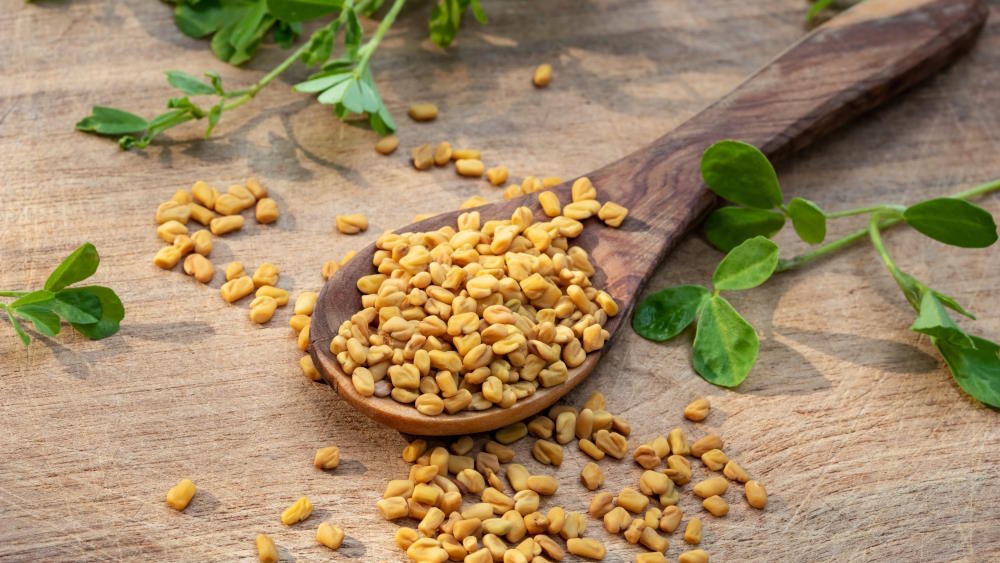
Fenugreek (Trigonella foenum-graecum) is a plant whose seeds have been used for centuries both in cooking and in herbal tradition. Today, in supplement form, it is attracting growing interest for its potential role in fat and glucose metabolism, as well as appetite control.
But beyond tradition, what can it really offer in everyday life? We will explain its benefits clearly through situations that may feel very familiar to you, and how a fenugreek food supplement may be of interest to you.
Fenugreek as an ally for fat and cholesterol metabolism
Through balanced diets, it helps support lipid metabolism (cholesterol and triglycerides)1
European Food Safety Authority (on hold)
Let us imagine a 52-year-old person who, at their latest medical check-up, was told that their LDL cholesterol was slightly elevated. It is not a serious situation, but it is a warning sign to improve habits: take care with diet, move more and pay attention to metabolism.
This is where fenugreek may make sense as a supplement within a healthy lifestyle.
Fenugreek seeds contain soluble fibre, particularly galactomannans, along with other bioactive compounds. Soluble fibre forms a kind of gel in the digestive tract that may influence how the body processes fats and cholesterol.
There are studies in which this type of fibre has shown potential to help improve total cholesterol and triglyceride levels when consumed regularly as part of the diet5,8.
Although it does not replace medical treatment when necessary, for people with mild alterations and room for improvement through healthy changes, fenugreek may be integrated with diet and exercise to support fat metabolism.
Fenugreek may provide everyday support for blood sugar balance
Contributes to the maintenance of normal blood glucose levels. Helps maintain normal blood glucose levels as part of a healthy lifestyle. Contributes to normal glucose levels2
European Food Safety Authority (on hold)
Now suppose that someone in middle age has begun to notice that after carbohydrate-rich meals they feel particularly tired. Their blood tests show slightly elevated fasting glucose, so they are advised to improve their diet and increase physical activity.
In this respect, fenugreek has attracted scientific attention for its possible impact on blood glucose. Its content of soluble fibre and compounds such as 4-hydroxyisoleucine may influence the way sugars are absorbed after a meal.
For example, one study in adults who were overweight or obese found that adding fenugreek seeds to carbohydrate-rich meals significantly reduced postprandial glucose response and increased the feeling of fullness5,6,9. This means that after a dish of bread or rice with added fenugreek, blood glucose spikes were lower and people felt fuller for longer.
In addition, systematic reviews of controlled clinical trials suggest that supplementation with fenugreek seeds may reduce fasting glucose levels, as well as other parameters related to glycaemic control in people with metabolic alterations5,6,7.
This evidence suggests that, within a healthy lifestyle, fenugreek may provide useful support in maintaining normal glucose levels.
Fenugreek for fat and glucose metabolism
Helps support and balance fat metabolism. Contributes to the maintenance of normal blood glucose levels. Contributes to normal glucose and insulin metabolism3
European Food Safety Authority (on hold)
We often talk about cholesterol and blood sugar as if they were separate aspects, but in reality they are closely linked: when insulin resistance is present, for example, triglyceride issues may also arise.
Fenugreek, by acting on carbohydrate absorption and glycaemic response, may indirectly influence fat metabolism.
Studies in animal models have shown that the soluble components of the seeds may alter both glycaemic response and plasma lipid levels8, demonstrating their potential to influence these metabolic processes in an integrated way.
This makes it an interesting supplement for people with several combined risk factors, always as part of a comprehensive approach that includes a varied diet, weight management and physical activity.
How fenugreek influences satiety and appetite control
Contributes to appetite. Helps promote digestion4
European Food Safety Authority (on hold)
Someone who wants to lose the kilos gained over recent years has made a significant effort to improve their diet, but still struggles to control snacking between meals and often feels hungry shortly after eating.
The soluble fibre in fenugreek may play a relevant role here. By forming viscous gels in the digestive tract, it delays gastric emptying and prolongs the feeling of fullness.
In situations like the one mentioned above, this effect may help reduce daily calorie intake naturally, making weight control easier as part of a structured plan combining a balanced diet and physical activity.
Fenugreek as digestive support and intestinal wellbeing
Beyond appetite, fenugreek has traditionally been used to support digestion.
Its mucilages have a soothing effect on the gastrointestinal mucosa and the fibre it contains may function as a prebiotic, feeding beneficial bacteria in the gut7,9.
It does not act as a strong laxative, but rather as a gentle support that may promote regularity and digestive comfort when combined with other healthy habits.
Food supplement based on fenugreek seeds
Fenugreek is usually used in the form of whole seeds or seed powder. Its effect is enhanced when it forms part of a set of healthy habits: it cannot compensate for an unbalanced diet or a sedentary lifestyle, but it can add value when combined with nutritious food choices and regular physical activity.
In terms of tolerance, it is generally considered safe in the usual amounts used as a food supplement. Some people may experience mild digestive discomfort at the beginning, which usually decreases as the dose is gradually adjusted.
-
At Anastore you can buy fenugreek capsules as a food supplement. With a fenugreek seed extract standardised to 50% saponins, guaranteeing the stated amount of active substance.
Alternatively, you can buy organic fenugreek seeds, which you can use directly in your favourite recipes.
Fenugreek is another tool for your healthy lifestyle habits
Fenugreek is an interesting example of how a traditional plant can find its place in modern nutrition. Its richness in soluble fibre and bioactive compounds gives it potential supportive value in areas such as fat metabolism, maintenance of normal glucose levels, satiety and digestion.
Bibliography
- Extracted from the EFSA health claims application list, under evaluation (3832).
- Extracted from the EFSA health claims application list, under evaluation (4260).
- Extracted from the EFSA health claims application list, under evaluation (4186).
- Extracted from the EFSA health claims application list, under evaluation (3952).
- Antidiabetic Effect of Fenugreek Seed Powder Solution: - PubMed PMID: 31583253.
- Trigonella foenum-graecum seeds lowers postprandial blood glucose in overweight and obese individuals - PubMed PMID: 25276421.
- The effects of fenugreek (Trigonella foenum-graecum) seed on glycemic parameters: systematic review & meta-analysis - PubMed PMID: 41509111.
- The Modifying Effects of Galactomannan from Canadian-Grown Fenugreek on Glycemic and Lipidemic Status in Rats - PubMed PMID: 19015751.
- Galactomannan from fenugreek seed: prebiotic application and fermentation by probiotics - PubMed PMID: 29876118.
About the author
Content researched and written by the Anastore editorial team.
Reviewed and verified against scientific literature by our Nutrition and Research Department.
Find out more about our editorial policy and scientific rigour.

This article is strictly for informational purposes and does not replace the advice of a healthcare professional.