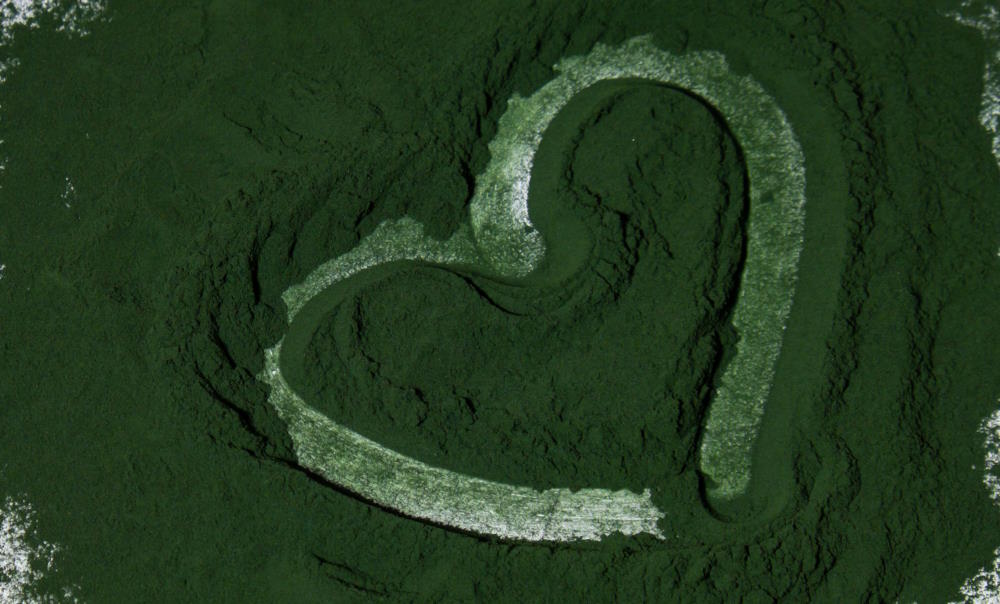
7 "Biohacks" Spirulina Provides Your Body (and how to choose your ideal format)
Modern life demands constant physical and mental performance, but our environment subjects us to silent wear and tear. Between ultra-processed diets, chronic stress, and exposure to pollution, it is no wonder that persistent fatigue is the norm. Biologically speaking, we face a paradox: we are overfed in calories, yet deeply malnourished at a cellular level.
This is where nutritional science looks back to our origins. Spirulina (Arthrospira platensis) is not a passing fad; it is a spiral-shaped cyanobacterium with over 3.5 billion years of evolution. Its nutritional density is so overwhelming that space agencies like NASA and the ESA have exhaustively researched it as a life support system for long-duration missions.
But you do not need to travel to Mars to harness its potential. Let us analyse spirulina not as a "superfood", but as a highly engineered biological tool to optimise your health.
The 7 benefits of spirulina
Below, we break down 7 mechanisms through which spirulina acts in your body and how you can integrate it into your routine.
1. Multiplies cellular oxygenation through highly bioavailable iron
One of the main reasons for unexplained fatigue and breathlessness is poor tissue oxygenation. Iron is the structural core of haemoglobin, the protein responsible for transporting oxygen in the blood. Unlike many vegetables where iron is "locked" by antinutrients like phytates, spirulina offers exceptionally bioavailable iron.
-
Scientific study
A study published in Cellular & Molecular Immunology1 demonstrated that spirulina supplementation consistently improved haemoglobin markers, especially in elderly populations. Being a bacterium and lacking a hard cellulose cell wall, the digestive system absorbs its minerals with astonishing ease.
This makes it a fundamental "biohack" for women of childbearing age, endurance athletes, and people following plant-based diets.
2. Acts as a shield against oxidative stress (the power of phycocyanin)
Premature ageing and low-grade inflammation are caused by free radicals, unstable molecules that damage our cells. Spirulina possesses an exclusive weapon against this: phycocyanin.
Phycocyanin is the pigment that gives it its characteristic bluish colour. Biochemically, various investigations, such as those published in Inflammation Research2, confirm that it is one of the most powerful free radical scavengers discovered in nature, intervening directly in the inhibition of cellular inflammation.
3. Accelerates muscle repair without digestive heaviness
-
Muscle tissue needs amino acids to repair itself after exertion. Spirulina is composed of 60-70% high biological value protein, containing all essential amino acids in the correct proportions.
What differentiates it from whey protein shakes or heavy meats is its speed of assimilation. As it does not require complex gastric digestion, the amino acids pass quickly into the bloodstream.
A study in Medicine & Science in Sports & Exercise3 showed that spirulina not only protects muscle from exercise-induced oxidative damage but also significantly delays the time to fatigue in athletes.
4. Acts as a toxin "sweeper" (chelating effect)
We are exposed to a daily toxic load: microplastics, heavy metals in certain fish, and environmental particles. These elements accumulate in adipose tissue and the liver, slowing down the metabolism.
Microalgae have a molecular structure capable of binding to these toxins (a process called chelation) and facilitating their expulsion.
In fact, clinical studies4 have successfully used spirulina extracts combined with zinc to treat patients with chronic heavy metal poisoning such as arsenic.
5. Modulates and trains the immune system
Spirulina does not act as a simple immune stimulant, but as an immunomodulator.
Research published in International Immunopharmacology5 demonstrated that oral administration of spirulina activates the innate immune system, significantly increasing the activity of Natural Killer (NK) cells and interferon production.
-
Spirulina can be an exceptional preventative tool for seasonal changes or periods of high work stress, where our defence system is often compromised by elevated cortisol.
6. Stabilises glucose spikes and controls satiety
"Hidden hunger" is a modern phenomenon. We eat abundant empty calories, our brain detects a lack of micronutrients and, in response, sends us constant hunger signals in the form of cravings.
By providing a massive dose of B vitamins, minerals, and pure protein in very few calories, spirulina "turns off" this malnutrition alarm.
Clinical trials, such as the one published in the Journal of Medicinal Food6, have observed that spirulina supplementation helps to significantly regulate fasting blood glucose levels, preventing the sharp spikes and crashes that cause lethargy.
7. Prebiotic support for a healthy microbiota
Health begins in the gut. Although it is not a probiotic (it does not contain beneficial live bacteria), spirulina acts as a high-quality prebiotic. Its complex polysaccharides serve as direct food for the healthy bacterial strains in our microbiota. A balanced gut translates to better nutrient absorption, lighter digestion, and increased serotonin production.
How to choose the ideal spirulina format for your lifestyle
Quality
At this point, the evidence regarding the benefits of spirulina is resounding. The only non-negotiable requirement before consuming it is to ensure it has Organic Certification. Since algae absorb everything from their environment, the "Organic" seal is the only guarantee that you are consuming a product free of pesticides, heavy metals, and aquatic toxins. (All Anastore products containing spirulina are certified organic).
The format
Once purity is assured, the big question is: Which format best suits my goals? Nutritionally, the efficacy is the same, but the key to success in any "biohack" is consistency. Choose your format based on your daily habits:
In capsules or tablets
Ideal for the practical professional and/or athlete: People with little time, who travel, eat in the office, or go straight to the gym.
Advantages: Absolute convenience. It allows for an exact and controlled dosage, is easy to transport, and avoids the natural algae taste (which can be intense for some palates). You only need a glass of water.
In powder
Ideal for the Culinary "Biohacker": People who have smoothies, bowls, or post-workout shakes for breakfast.
Advantages: Its main advantage is its ultra-fast absorption and versatility. You can add a tablespoon to your morning green smoothie, masking its flavour and obtaining an immediate injection of chlorophyll, proteins, and minerals before starting the day.
Detox Synergy (Spirulina + Chlorella)
Ideal for the deep reset seeker: People suffering from inflammation, fluid retention, or high exposure to urban pollution.
Advantages: It is the ultimate cellular cleansing protocol. While spirulina nourishes deeply, chlorella (thanks to its fibrous cell wall and very high chlorophyll content) acts as an intestinal "broom", sweeping away heavy metals and toxins to eliminate them from the body.
Bibliography
- Selmi, C., et al. (2011). The effects of Spirulina on anemia and immune function in senior citizens. Cellular & Molecular Immunology, 8(3), 248–254. Ver estudio
- Romay, C., et al. (1998). Antioxidant and anti-inflammatory properties of C-phycocyanin from blue-green algae. Inflammation Research, 47(1), 36-41. Ver estudio
- Kalafati, M., et al. (2010). Ergogenic and antioxidant effects of spirulina supplementation in humans. Medicine and Science in Sports and Exercise, 42(1), 142-151. Ver estudio
- Misbahuddin, M., et al. (2006). Efficacy of spirulina extract plus zinc in patients of chronic arsenic poisoning: a randomized placebo-controlled study. Clinical Toxicology, 44(2), 135-141. Ver estudio
- Hirahashi, T., et al. (2002). Activation of the human innate immune system by Spirulina: augmentation of interferon production and NK cytotoxicity by oral administration of hot water extract of Spirulina platensis. International Immunopharmacology, 2(4), 423-434. Ver estudio
- Parikh, P., et al. (2001). Role of Spirulina in the Control of Glycemia and Lipidemia in Type 2 Diabetes Mellitus. Journal of Medicinal Food, 4(4), 193-199. Ver estudio
About the author
Content researched and written by the Anastore editorial team.
Reviewed and verified against scientific literature by our Nutrition and Research Department.
Find out more about our editorial policy and scientific rigour.

This article is strictly for informational purposes and does not replace the advice of a healthcare professional.