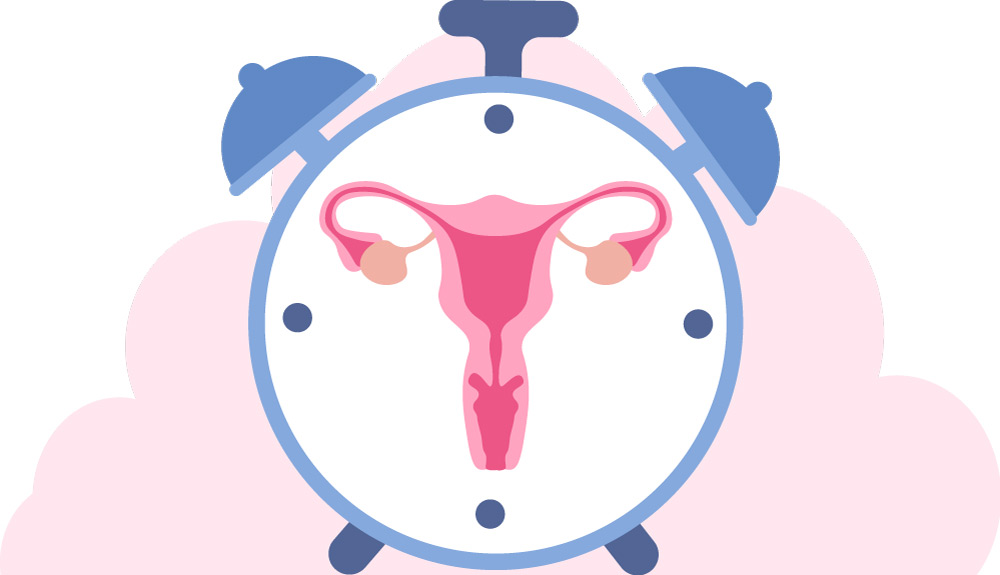
Hops and Black Cohosh: what role do they play in rest and thermal comfort during menopause?
If we were to ask a hundred women what the most limiting symptom is during the transition towards menopause, the vast majority would not mention the cessation of menstruation. They would talk about exhaustion. They would talk about those fragmented nights when the body seems to have lost its internal thermostat, waking up drenched in sweat, followed by days marked by brain fog and an irritability that they often do not recognise as their own.
For years, the classic approach to menopause has focused on "putting out fires", forgetting that the human body is an interconnected ecosystem. Menopause is a profound metabolic and hormonal reprogramming, and when this reprogramming alters our circadian rhythms (the internal clock that dictates when to sleep, when to wake up, and how to regulate our temperature), quality of life declines drastically.
We are going to explain how a synergy of two extracts, Hops and Black Cohosh, could influence the body's rest, its thermal comfort, and its nervous stability.
1. Why do we lose thermal comfort and sleep during menopause?
To understand how these plants act at a cellular level, we must first understand what happens in a woman's brain during perimenopause and menopause.
How does it all start?

In the brain, specifically in the hypothalamus, lies our thermoregulatory centre. During fertile years, oestrogens act as modulators of this thermostat, maintaining a broad "thermoneutral zone". This means that the body tolerates temperature changes well without overreacting1.
With the natural decline of oestrogens, this thermoneutral zone narrows drastically. A minimal increase in core body temperature is interpreted by the hypothalamus as an overheating emergency. In response, the brain triggers alarm signals: peripheral blood vessels dilate sharply to dissipate heat (the famous "hot flush"), and sweat glands are activated at maximum power.
The domino effect on the nervous system
When this false thermal short-circuit occurs during the night (night sweats), it breaks the architecture of sleep. The woman wakes up agitated, with a racing heart, and finds it very difficult to fall back into a deep sleep. Clinically, this chronic sleep deprivation elevates levels of cortisol, the stress hormone. The result the following day? Restlessness, profound fatigue, and irritability caused by neurochemistry altered by extreme tiredness.
This is where next-generation phytotherapy comes into play, using specific bioactive molecules that "speak" the same language as our cellular receptors.
2. Hops

Hops (Humulus lupulus) are known worldwide for their use in the food industry for brewing beer, but in botanical science they hold a much more interesting profile.
Greater bioavailability than soya
Scientific interest in female hop flowers lies in a very specific flavonoid: 8-prenylnaringenin (8-PN). This compound is considered the most potent phytoestrogen isolated to date. Unlike soya isoflavones, which require a very specific intestinal microbiota to be transformed into active compounds (such as equol), which a high percentage of Western women do not possess, the 8-PN from hops is highly bioavailable on its own2.
Modulation, not substitution
It is fundamental to understand a basic rule of modern phytoscience when we talk about phytoestrogens: we are talking about modulation, not substitution. Unlike hormone replacement therapy (HRT) treatments, 8-prenylnaringenin does not introduce external artificial hormones into the body.
It acts by interacting with the body's oestrogen receptors in a much gentler, more selective, and regulating manner. It could help to alleviate symptoms by positively "tricking" the receptors, but without generating the same systemic impact as a pharmaceutical drug.
What hops could provide
-
Thermal and mood regulation
It could help women cope with the tell-tale signs associated with menopause, such as hot flushes, sweating, restlessness, and irritability3. Furthermore, it could help maintain a calm and comfortable menopause4. By selectively binding to beta receptors, 8-PN could influence thermal regulation mechanisms, according to preliminary studies2.
-
Recovery of circadian rhythms and rest
Hops could exert a calming effect and help to promote good sleep in cases of sleep difficulties or central nervous system agitation5,6. This would facilitate sleep induction, breaking the vicious cycle of "hot flush-wakefulness-exhaustion".
The added value of Hops
The phytochemical richness of hop cones or glands does not stop at thermal comfort. They could also provide:
- Cellular defence against ageing: They contain natural antioxidants that could help protect cells and tissues from oxidation caused by free radicals, contributing to the total antioxidant capacity of the body and helping to strengthen our defences7.
- Digestive health: The active compounds in hops could help support digestion and contribute to the optimal functioning of the intestinal tract8.
- Lipid profile: Contribution to maintaining normal cholesterol levels9, a parameter that often suffers metabolic imbalances (increase in LDL cholesterol) during the menopausal transition due to hormonal changes.
3. Black Cohosh

If hops are the expert in compensating for the phytoestrogenic deficit and inducing nocturnal relaxation, Black Cohosh (Cimicifuga racemosa) has been studied for its possible role in well-being during menopause. This plant, native to North America, is one of the most researched botanicals globally concerning this topic10.
The properties of Black Cohosh lie in its rhizome and root, from which its primary active compounds are extracted: triterpene glycosides (such as actein and 27-deoxyactein).
For years, it was thought that black cohosh simply acted as another phytoestrogen. However, recent scientific research points to a fascinating and distinct mechanism of action: it acts by modulating neurotransmitter pathways in the brain, specifically interacting with serotonin, dopamine, and GABA receptors11. These neurotransmitters are the conductors of our mood, our stress tolerance, and they also influence the thermoregulatory centre.
Among its properties:
-
It could help women cope with the tell-tale signs of menopause
They are well known: Hot flushes, sweating, restlessness, and irritability.
-
It could help maintain a calm and comfortable menopause
By acting on the central nervous system, Black Cohosh is an anchor against acute emotional swings, reducing the feeling of constant alertness.
4. The Perfect Synergy: Hops + Black Cohosh
One of the most common mistakes when approaching supplementation is focusing on a single ingredient. Menopause is a multifactorial process, and formulas that combine different mechanisms of action can offer a complementary approach.
The combination of hops and black cohosh would allow simultaneous action on two levels:
- Gentle hormonal modulation (hops): Compensating for the deficit in cellular oestrogen receptors, mitigating hot flushes, and promoting relaxation for sleep.
- Neuroendocrine regulation (black cohosh): Stabilising brain chemistry, reducing daytime anxiety, and reinforcing temperature control from the neurotransmitters.
5. The importance of standardised extracts
This is where buying cheap shows. Consuming crushed plant powder does not guarantee its benefits. For botanical science and food technology to work, we need three pillars:
- The actual concentration of active compounds.
- High bioavailability.
- The standardisation of the extract.
For example, the 8-prenylnaringenin molecule is not present in large quantities in the raw hop plant. The same applies to the triterpenes of black cohosh. A non-standardised extract (the cheap option of many supplements) can contain variable and insufficient amounts of these active compounds. This explains why many people do not notice results with generic supplements.
At Anastore, Hops + Black Cohosh is formulated exclusively with standardised extracts. This guarantees that each capsule provides an exact, defined, and constant amount of active compounds. It translates into greater control over efficacy, greater consistency in results, and absolute confidence in the formulation.
6. Frequently Asked Questions (FAQ)
What can be expected from an approach like this, and how long does it take to notice?
It is vital to maintain realistic expectations. Food supplements do not act like a chemical drug with an immediate effect that forcefully "switches off" a symptom. Their role is progressive, as they teach the body to self-regulate. The time it takes to see results will depend on:
- The initial intensity of your symptoms.
- Your general state of health (metabolism, stress, diet).
- Consistency in daily use.
That being said, it seems that while the sedative effect of hops can improve rest in the first or second week, the significant reduction in hot flushes and the profound stabilisation of mood consolidate between week 4 and week 8 of continuous use10.
I have tried soya isoflavones and they didn't work for me, will this be different?
Absolutely. As we have explained, the assimilation of soya depends on your intestinal microbiota having the genetic capacity to produce equol. The 8-PN from hops and the glycosides from black cohosh do not depend on this limiting factor, offering high efficacy even in women who are "resistant" to the benefits of soya.
Is it safe to take this combination long-term?
Yes, provided the recommended guidelines are followed. Anastore's formula scrupulously respects the safe limits and equivalences required by the European authorities (EFSA). By using pure, standardised extracts, we avoid the toxicity of poorly processed plants. However, in cases of a complex medical history (severe liver pathologies or hormone-dependent tumours), we always advise consulting a medical specialist before starting any supplementation.
7. Invest in your biology
Menopause is not a disease, but a time of transition that can profoundly affect your quality of life. You shouldn't have to experience it through resignation or heroic resistance against tiredness.
Compared to generic solutions, the combined use of standardised extracts of Hops and Black Cohosh could offer a complete answer.
Recovering your rest, thermal comfort, and mental serenity is a biological necessity. If you feel that this process has desynchronised your internal clock, we are here to support your body in its adaptation process.
Would you like to explore the exact composition and rigorous quality standards of our formula in detail? Discover how Anastore's Hops + Black Cohosh can help you regain your balance.
Bibliography
- Sturdee, D. W., et al. (2017). The menopausal hot flush: a review. Climacteric, 20(4), 296-305. View study
- Heyerick, A., et al. (2006). A first prospective, randomized, double-blind, placebo-controlled study on the use of a standardized hop extract to alleviate menopausal discomforts. Phytomedicine, 13(5), 312-318. View study
- Extracted from the EFSA health claims application list, under evaluation (ID4006)
- Extracted from the EFSA health claims application list, under evaluation (ID3745)
- Extracted from the EFSA health claims application list, under evaluation (ID3710)
- Franco, L., et al. (2012). The sedative effect of non-alcoholic beer in healthy female nurses. PLoS One, 7(7), e37290. View study
- Extracted from the EFSA health claims application list, under evaluation (ID3856)
- Extracted from the EFSA health claims application list, under evaluation (ID3857)
- Extracted from the EFSA health claims application list, under evaluation (ID3944)
- Osmers, R., et al. (2005). Efficacy and safety of isopropanolic black cohosh extract for climacteric symptoms. Obstetrics & Gynecology, 105(5), 1074-1083. View study
- Burdette, J. E., et al. (2003). Black cohosh acts as a mixed competitive ligand and partial agonist of the serotonin receptor. Journal of Agricultural and Food Chemistry, 51(19), 5661-5670. View study
About the author
Content researched and written by the Anastore editorial team.
Reviewed and verified against scientific literature by our Nutrition and Research Department.
Find out more about our editorial policy and scientific rigour.

This article is strictly for informational purposes and does not replace the advice of a healthcare professional.