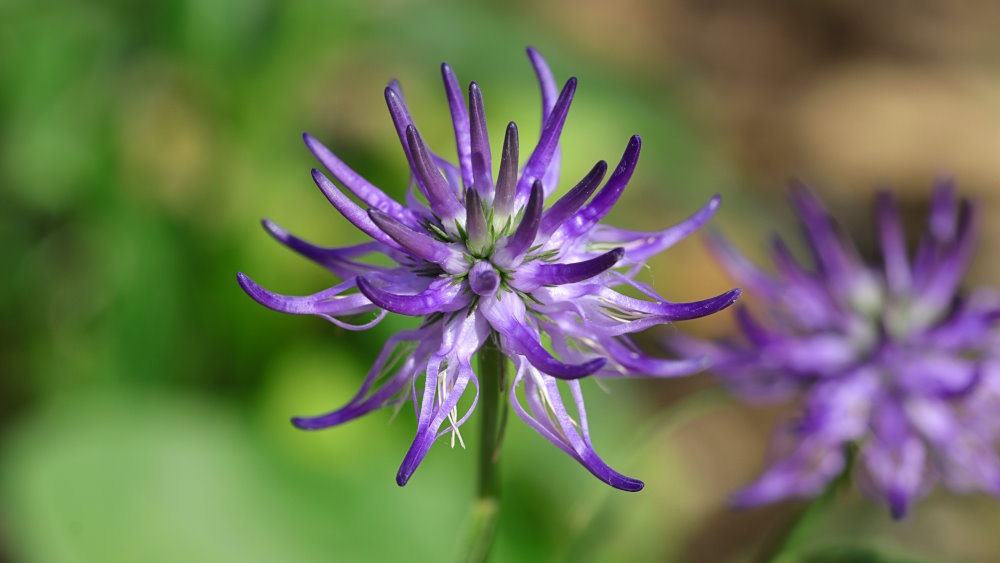
The properties of harpagophytum for sport and active ageing
There is a widespread belief in both the world of sport and healthcare:
Myth or reality?
If you move a lot, you wear out, and if you get older, you rust
It is time to banish this myth. Joint discomfort is not an inevitable sentence of the passage of time, nor the mandatory price to pay for being an active athlete. It is a physiological process that we can modulate in our favour if we give our bodies the right tools.
Whether it is completing a marathon, enjoying a walk in the mountains or simply playing with the grandchildren on the floor, our joints are the gears that allow life to happen in motion. However, like any high-precision mechanism, these points of union between bones suffer inevitable wear and tear. The constant impact of high-intensity sport and the natural ticking of the biological clock put the resistance of our cartilage and ligaments to the test.
Whether harpagophytum can help us maintain our joints is something we will try to discover here.
Why do joints suffer?
To understand how harpagophytum can help us, we must first visualise what happens inside a joint under stress.
Let us imagine the knee of a runner or the hip of a 70-year-old. In both cases, the silent protagonist is the articular cartilage. This elastic and firm tissue covers the bones to prevent them from rubbing against each other.
In the sporting field, especially in high-impact disciplines such as running, padel or CrossFit, the joints support loads that multiply body weight several times over. This mechanical pressure can generate micro-tears in the cartilage matrix.
When walking in a relaxed manner, a knee supports approximately 1.5 times our body weight. But when running, jumping or simply going down stairs, this load is multiplied by between 3 and 6 times. Think of a 75 kg runner; in every stride, their cartilage is managing a fleeting impact of more than 300 kg. By the end of a mere 10-kilometre race, that small joint has literally absorbed thousands of tonnes of accumulated load.
On the other hand, in active ageing, the challenge is metabolic: over time, the body produces less collagen and synovial fluid, causing the joint to lose its natural shock-absorbing capacity.
When the balance between wear and regeneration is broken, the dreaded discomfort appears, which should be interpreted as a sign that mobility and flexibility are at risk.
How is articular cartilage nourished?
-
Unlike muscles or skin, articular cartilage has no blood vessels
Lacking veins to deliver food directly, its nutrition mechanism works exactly like a sponge. When the joint rests, the cartilage relaxes and absorbs the surrounding synovial fluid, a vital fluid loaded with nutrients (where the compounds we assimilate through our diet or botanical supplements travel). The moment we take a step and apply weight, the "sponge" is compressed and expels metabolic waste.
From this we can draw 2 conclusions:
- Why a sedentary lifestyle is so harmful: if there is no movement, the sponge does not squeeze or soak, limiting its nutrition.
- Why excessive sporting impact, without adequate rest periods and nutrients, ends up deteriorating the material.
What is harpagophytum procumbens?
Harpagophytum (Harpagophytum procumbens) is no ordinary plant. It grows in very hostile conditions: the dry, red sands of the Kalahari Desert and the steppes of Namibia. To survive the lack of water and the scorching sun, the plant has developed a system of tuberous roots that act as stores of energy and nutrients.
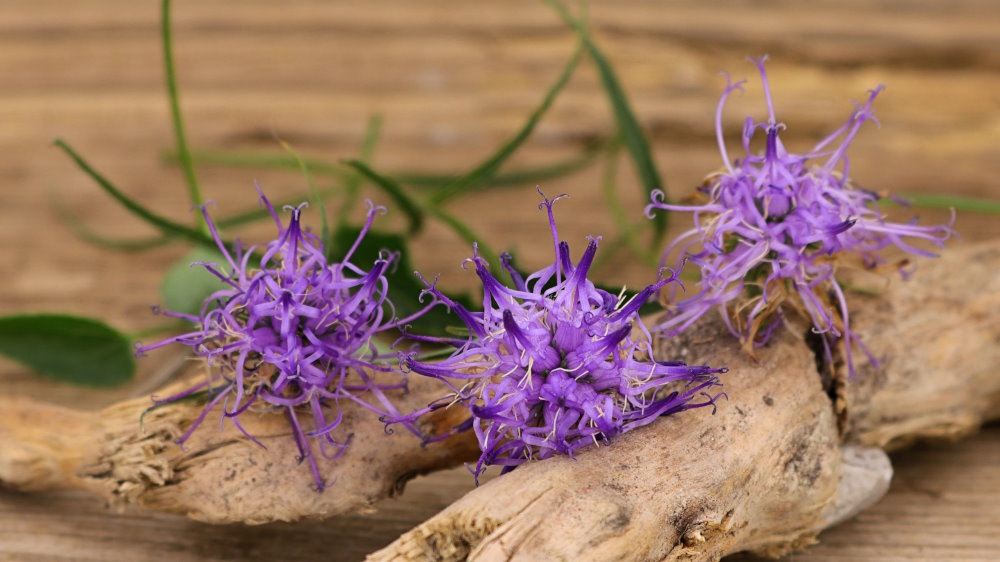
Its popular name, Devil's Claw, comes from its woody fruits, which have sharp hooks that latch onto the fur of animals. But for us, the important thing is not the fruit, but what lies hidden beneath the sand. It is in these secondary roots that harpagosides are synthesised, active principles of the iridoid family with recognised biological properties.
The extraction of these compounds requires precise technological processes to guarantee that the molecule is not denatured. When buying a harpagophytum supplement, it is vital to ensure that the root has been processed under strict quality standards. For example, opting for organic harpagophytum guarantees that the plant has grown in its ideal habitat, without the use of synthetic pesticides that could alter its phytochemical profile, thus ensuring an optimal concentration of harpagosides for joint wellbeing.
How does harpagophytum act in our body?
Harpagosides act as modulators. In a joint punished by sport or continuous use, biochemical pathways are triggered that degrade the cartilage matrix.
-
Harpagophytum helps eliminate joint discomfort, maintaining joint mobility and flexibility1
Studies indicate that harpagophytum extracts could help balance these processes, allowing the joint to maintain its proper function:
Maintenance of mobility
By helping to reduce stiffness, harpagophytum would contribute to a wider range of motion. This is crucial for an athlete who needs a fluid stride or for an older person who wishes to maintain their functional autonomy2.
Reduction of discomfort
The continuous use of harpagophytum root could contribute to a noticeable decrease in feelings of heaviness and discomfort in weight-bearing joints (such as knees and the lumbar area)3.
Support for proper functioning
It is not just about "patching up" a discomfort, but providing the body with tools so that the joint works efficiently under pressure3.
Harpagophytum in sports nutrition
For fitness enthusiasts and endurance athletes, harpagophytum has positioned itself as a natural alternative to other options that can be harsh on the digestive system.
-
In sport, recovery is just as important as the training itself. A joint that does not recover correctly is a joint that gets injured.
The integration of harpagophytum into an athlete's nutritional routine helps make rest periods more effective. By promoting mobility and flexibility, it helps prevent periarticular tissues (tendons and ligaments) from becoming excessively stiff after intense load sessions. Furthermore, being a botanical ingredient, it integrates perfectly into diets based on real food (real fooding) that seek to reduce the chemical load on the body.
It is important to note that the benefit is not instantaneous; functional nutrition works by accumulation. Food technology experts suggest consistent supplementation periods so that harpagoside levels in the body reach the necessary concentration to exert their protective effect on the cartilage.
Active ageing: to move is to live
The concept of active ageing advocated by the WHO is based on optimising health opportunities to improve the quality of life as one ages. And joint health is the epicentre of this concept.
-
The loss of flexibility is usually the first step towards a sedentary lifestyle: if moving is difficult or uncomfortable for me, I move less; and the less I move, the more my locomotor system deteriorates.
Harpagophytum breaks this vicious circle. By helping to maintain mobility, it encourages older people to continue walking, swimming or practising yoga. It is not just a matter of bones and muscles; physical activity preserves cardiovascular and cognitive health. Therefore, taking care of joints with quality plant extracts is, indirectly, taking care of the individual's overall health.
When looking for options on the market, purity is non-negotiable. Buying organic harpagophytum is particularly relevant in old age, as one seeks a clean nutritional contribution, without chemical residues that can overload the metabolism, and that respects the often more sensitive physiology of older people.
Nutritional synergies: boosting the effect of harpagophytum
We know that no ingredient is an island, and harpagophytum works best when the nutritional groundwork is right. Here are some pillars that boost its action:
| Supplement | Contribution |
|---|---|
| Vitamin C and Collagen | Harpagophytum protects the joint environment, but the body needs "building blocks" to repair cartilage. Vitamin C is essential for our body to naturally synthesise collagen. |
| Magnesium | This mineral is vital for muscle function. Strong, relaxed muscles relieve the joints of work, allowing harpagophytum to focus on cartilage health. |
| Hydration | Cartilage is largely water retained by proteins. Without optimal hydration, the shock-absorbing capacity disappears, no matter how much we use quality supplements. |
| Omega-3 fatty acids | Found in oily fish or algae, these fatty acids complement the action of harpagophytum in maintaining the general wellbeing of connective tissues. |
From root to capsule. Why harpagophytum quality matters
Not all harpagophytum products are the same. Food technology teaches us that the harvesting and drying method is critical. The secondary roots must be harvested at the precise moment of phytochemical maturity. If harvested too early, the harpagoside level is low; if processed with too much heat, the active principles are destroyed.
Standardisation is the key word. A standardised extract ensures that every time we consume the product, we are receiving the same amount of active molecules.
The standardised extract
This is what differentiates a "traditional herbalist" product from a professional-grade food supplement developed by nutrition experts.
Organic traceability adds an extra level of confidence, ensuring that the product's life cycle has been respectful of both the consumer and the African environment from which it originates.
Side effects and contraindications of harpagophytum
Although harpagophytum is a naturally sourced ingredient with a long history of safe use, its intake must be carried out under responsible guidelines. In general terms, tolerance is very good. However, in a very low percentage of the population, it can cause mild and transient gastrointestinal disorders, such as nausea, stomach upset, diarrhoea or a slight loss of appetite. Cases of headaches or dizziness have rarely been documented. Always respecting the recommended doses on the food supplement label is the main way to avoid these setbacks.
Who should avoid its consumption?
There are certain population groups who, as a precaution or due to physiological interaction, should avoid consuming this plant. Given that harpagophytum has a stimulating effect on gastric juices and biliary secretion, it is contraindicated in people suffering from gastric or duodenal ulcers, as well as in individuals with gallstones, except under strict medical supervision.
Likewise, due to the lack of conclusive studies on its safety in critical stages of development, its use is not recommended during pregnancy and breastfeeding. People taking anticoagulant medication or drugs for heart conditions should consult a healthcare professional before incorporating it into their diet.
Movement as a lifestyle
Whether to optimise sports performance or to ensure that the years do not weigh heavily on every step, this African plant offers a path to mobility without discomfort.
Investing in the health of our joints today, through a balanced diet, exercise and supplements based on technological excellence and ecological respect, such as those obtained from harpagophytum, is the key to continuing to move tomorrow with the same enthusiasm and freedom as today.
-
Because, after all, life is movement, and our joints are what allow us to dance to its rhythm
Bibliography
- Extracted from the EFSA health claims application list, under evaluation (ID 3943).
- Devil's Claw-a review of the ethnobotany, phytochemistry and biological activity of Harpagophytum procumbens. Mncwangi, N., et al. (2012). Journal of Ethnopharmacology, 143(1), 15-27.
- Treatment of patients with arthrosis of hip or knee with an aqueous extract of devil's claw (Harpagophytum procumbens DC.). Wegener, T., & Lüpke, N. P. (2003). Phytotherapy Research, 17(10), 1165-1172.
About the author
Content researched and written by the Anastore editorial team.
Reviewed and verified against scientific literature by our Nutrition and Research Department.
Find out more about our editorial policy and scientific rigour.

This article is strictly for informational purposes and does not replace the advice of a healthcare professional.