The 7 benefits of the union of calcium and vitamin D3 (beyond the bones)
There are some concepts that, by being repeated so often in popular culture, have ended up becoming oversimplified.
Quick survey
If we ask what calcium is for, ninety-nine per cent of people will answer without hesitation: "for the bones". And if we ask about vitamin D, the automatic response will be: "to fix that calcium by sunbathing".
However, limiting the properties of these nutrients exclusively to the skeleton is to ignore a large part of their immense metabolic potential.
In reality, the combination of calcium and vitamin D3 (cholecalciferol) intervenes decisively in biological processes that occur every fraction of a second inside our tissues. They act as intracellular messengers, regulators of cellular energy, and indispensable modulators of our defences against external pathogens.
Furthermore, when informing ourselves about how to optimise our nutritional levels, it is vital to understand that assimilation in the human body is a complex process. Technical aspects such as the bioavailability and the chemical form of the mineral, for example, the notable digestive and absorption advantages of calcium citrate compared to conventional inorganic salts, directly determine whether the organism will truly utilise what we ingest.
Below we detail the 7 main benefits of this nutritional synergy.
And if you are short on time, here is a visual summary of how they work as a team in your body:
| Physiological Area | The role of Calcium | The role of Vitamin D3 |
|---|---|---|
| Bones and Teeth | Provides the structural material to maintain their density and hardness. | Directs calcium and facilitates its correct fixation in the bone matrix. |
| Absorption and Blood | The citrate format guarantees its assimilation without depending on gastric acids. | It is the "key" that allows calcium to cross from the intestine to the blood and regulates its levels. |
| Muscular Function | Acts as the chemical switch that allows muscle contraction. | Maintains the integrity of the fibres and optimises their nerve response time. |
| Immune System | — | Activates macrophages to manufacture antimicrobial peptides (natural defences). |
| Nervous System | Triggers the release of neurotransmitters for communication between neurons. | — |
| Energy and Cells | Activates the enzymes that produce energy (ATP) and guides cellular specialisation. | Ensures that cellular multiplication and division are orderly and error-free. |
| Coagulation | Acts as "Factor IV", binding proteins in the blood to form clots and heal. | — |
1. Benefits of calcium and vitamin D3 for bones and teeth
We begin with the most recognised function, but analysing it with the rigour of cellular biology.
Our skeleton is not an inert scaffolding; it is a living and dynamic tissue that is in a perpetual cycle of destruction and reconstruction called bone remodelling. Cells called osteoclasts remove old or damaged bone caused by mechanical stress, while osteoblasts fill that space with new material.
For this preventative process to be successful and for us to maintain bone density over the years, vitamin D and calcium contribute to the maintenance of normal bones1. If the mineral is missing, the body lacks the structural raw material; if the vitamin is missing, the calcium is not directed correctly towards the bone matrix.
This same principle of biological engineering applies to our oral health. Throughout life, enamel suffers continuous attack from dietary acids and the physical wear and tear of chewing. In this regard, vitamin D and calcium contribute to the maintenance of normal teeth1, providing the structural resistance and hardness that dentin and enamel need to protect nerve endings.
2. Mineral absorption: vitamin D and the advantages of calcium citrate
One of the greatest challenges of clinical nutrition is understanding that ingesting a nutrient does not guarantee its assimilation. The human intestine is a highly selective barrier, and calcium, on its own, presents enormous difficulties in crossing it to reach the blood.
-
Vitamin D contributes to the normal absorption and utilisation of calcium and phosphorus
Vitamin D acts by entering intestinal cells and ordering the synthesis of protein "transporters" (such as calbindin). These proteins collect the digested mineral and introduce it safely into the bloodstream2.
However, the chemical form of the mineral we ingest is equally critical. Traditionally, calcium carbonate has been used, a salt that requires a stomach full of highly acidic gastric juices to dissolve. If acid production is low (something common with stress or age), that calcium is not assimilated and causes digestive discomfort.
Therefore, the formulation of supplements based on the science of bioavailability, such as Calcium (citrate) + vitamin D3, is biologically superior. The citrate format has an organically acidic nature, dissolving and absorbing optimally regardless of stomach pH, preventing gas and maximising its usefulness3.
Once the mineral circulates inside us, the organism activates a highly precise homeostatic mechanism. Like a biological thermostat, vitamin D contributes to the maintenance of normal blood calcium levels1, ensuring that signals are coordinated with the kidneys and bones so that vital organs such as the brain and heart always have a stable supply.
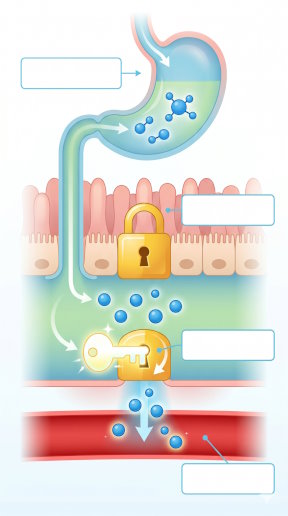 Easy digestion Cellular door Vitamin D3 Calcium to the blood
3. Properties of calcium and vitamin D for normal muscle function
It is a common mistake to think that muscle care depends exclusively on the intake of protein or magnesium. The biomechanics of human movement reveal to us that this nutritional duo is the true conductor of our locomotor system.
From a physiological point of view, calcium contributes to normal muscle function1. Muscle fibres are composed of filaments that must slide over each other to generate tension. For us to perform any movement, from lifting a weight to maintaining our posture, the nervous system releases a microscopic flow of calcium inside the muscle cell.
-
This calcium is the switch that physically enables contraction. Without it, the muscle would experience weakness, spasms, or cramps.
Acting in perfect synergy, vitamin D contributes to the maintenance of normal muscle function1. Cholecalciferol is responsible for maintaining the morphological integrity of fast-twitch muscle fibres, optimising their response to nerve stimuli.
Adequate levels of both nutrients are fundamental not only for sports performance but also for preserving functional agility and preventing frailty as we age.
4. Vitamin D3: its essential role in the immune system
The contemporary lifestyle, which encourages a sedentary lifestyle indoors under artificial light, has caused a vast majority of the population to present chronic vitamin D deficiencies. This fact not only affects bone metabolism but directly compromises our defence capacity.
-
Vitamin D contributes to the normal function of the immune system1,4.
Our front-line defence cells, such as macrophages and dendritic cells, possess specific receptors for cholecalciferol. When they detect the presence of an invading agent, they use the circulating vitamin D to activate the expression of genes that manufacture antimicrobial peptides (such as cathelicidin). These compounds act as endogenous antibiotics, naturally destroying the membranes of pathogens and modulating the inflammatory response to avoid collateral damage in the tissues themselves.
5. Calcium and the nervous system: benefits for neurotransmission
The human brain is the most metabolically demanding and electrically active organ of our anatomy. It processes information, manages memory, and coordinates the body at an astonishing speed. However, neurons are not linked by physical cables; they communicate through a tiny space called the synaptic cleft.
-
For information to cross this vital space, calcium contributes to normal neurotransmission1.
When an electrical impulse reaches the end of a neuron, cellular channels open that allow the massive entry of calcium ions. This sudden flow is the obligatory signal that pushes the neuronal vesicles to release neurotransmitters (such as dopamine, serotonin, or acetylcholine) towards the next neuron5.
If the concentration of extracellular calcium is not adequate, this communication slows down, negatively affecting concentration, learning, and cognitive response speed.
6. Energy metabolism and cellular division: the engine of the organism
The concept of "vitality" or "daily energy" has a very concrete molecular basis: the ATP molecule, which is synthesised inside the mitochondria, the true power stations of our cells. In this intimate process, calcium contributes to normal energy-yielding metabolism1. Within the mitochondrial matrix, the mineral acts as an indispensable enzymatic activator that accelerates the energy production cycle from the nutrients we ingest.
In parallel, our organism is in a constant state of renewal. The skin, mucous membranes, and internal organs replace their old cells with new ones daily. In this complex life cycle, vitamin D has a role in the process of cell division1, ensuring that the replication of our DNA and the multiplication of cells are carried out in an orderly manner and under strict quality control mechanisms.
Collaborating in this same regeneration task, calcium has a role in the process of cell division and specialisation1. It functions as a chemical signal that indicates to the newly divided stem cell what type of specialised tissue it should mature into (differentiation) to fulfil its function efficiently.
7. The role of calcium in normal blood coagulation
Finally, we must highlight the survival function of calcium in the face of wear and tear or physical trauma.
Daily, our circulatory system faces micro-lesions derived from physical stress or small wounds. To avoid the loss of fluids and isolate the damage, the body activates a sophisticated immediate repair mechanism.
In haematological clinics, calcium contributes to normal blood clotting1, being classified as "Factor IV" of the coagulation cascade. It is the absolutely essential biochemical cofactor that allows platelets to adhere to each other and various plasma proteins to intertwine to form the fibrin network.
Without the presence of this ion in the blood plasma, the formation of the protective clot would be deficient, delaying the physiological process of healing and recovery.
Side effects
The human body is biologically adapted to assimilate calcium and vitamin D3, so its intake in the doses indicated by the manufacturer as a food supplement has an excellent safety profile and high general tolerance.
However, exceeding the maximum recommended limits through abusive and unjustified supplementation can cause adverse effects. At the digestive level, excessive doses can trigger constipation, abdominal distension, and nausea (risks which, as explained, decrease considerably when opting for highly soluble organic forms such as calcium citrate).
Who should consult a doctor before taking it?
There are specific clinical conditions where the supplementary intake of these nutrients is medically contraindicated due to pre-existing metabolic alterations. People with an active diagnosis of hypercalcaemia or who present severe hypercalciuria (excessive urinary excretion of calcium) should not consume these products.
Likewise, those patients diagnosed with primary hyperparathyroidism, pathologies such as sarcoidosis, advanced-stage renal failure, or who have a clinical history of calcium renal lithiasis (kidney stones formed by calcium), should refrain from consuming it unless they have the explicit prescription and regular analytical monitoring by their specialist in nephrology or endocrinology.
Bibliography
- COMMISSION REGULATION (EU) No 432/2012 of 16 May 2012 establishing a list of permitted health claims made on foods, other than those referring to the reduction of disease risk and to children's development and health.
- Khazai, N., Judd, S. E., & Tangpricha, V. (2008). Calcium and Vitamin D: Skeletal and Extraskeletal Health. Current Rheumatology Reports, 10(2), 110–117.
- Sakhaee, K., Bhuket, T., Adams-Huet, B., & Rao, D. S. (1999). Meta-analysis of calcium bioavailability: a comparison of calcium citrate with calcium carbonate. American Journal of Therapeutics, 6(6), 313–321.
- Aranow, C. (2011). Vitamin D and the Immune System. Journal of Investigative Medicine, 59(6), 881–886.
- Südhof, T. C. (2012). Calcium Control of Neurotransmitter Release. Cold Spring Harbor Perspectives in Biology, 4(1), a011262.
About the author
Content researched and written by the Anastore editorial team.
Reviewed and verified against scientific literature by our Nutrition and Research Department.
Find out more about our editorial policy and scientific rigour.

This article is strictly for informational purposes and does not replace the advice of a healthcare professional.