Keep cholesterol at bay with Green tea and Red yeast rice
You arrive at your annual check-up feeling fantastic. You have energy, you sleep reasonably well, and at first glance, you would say you are in the peak of health. However, when the specialist unfolds the results of your blood test, they frown slightly and utter those words that are so familiar to many of us: Your cholesterol is a bit high, we need to start looking after it.
At that moment, it is quite normal to feel a certain confusion or concern. Suddenly, you start questioning your lifestyle, your weekend dinners, and your level of physical activity. This silent diagnosis, because high cholesterol rarely presents obvious physical symptoms until it is a serious problem, becomes an unavoidable wake-up call.
What to do?
From that moment on, the goal should not be to panic or look for magic remedies, but to take control of the situation.
-
There is no need to rush out and find restrictive diets that are impossible to sustain in the long term.
It is about adopting a comprehensive approach, understanding how our body's physiology works and seeking the right support both in our daily habits and in the valuable resources that botany provides us.
In this regard, nature provides us with plant extracts that have a vast traditional history and contemporary research behind them, which can be excellent travel companions. Let us see what they are and how they can help you.
How cholesterol affects cardiovascular health
To properly address our vitality, the first step is to demystify our protagonist: cholesterol. Often demonised in popular culture, the news, and television adverts, cholesterol is not a malignant invader, but a waxy, fat-like substance that is absolutely essential for human existence.
Our own body produces it naturally in the liver and actively uses it to build strong cell membranes, synthesise vitamin D after sun exposure, and manufacture fundamental hormones such as oestrogen, testosterone, or cortisol.
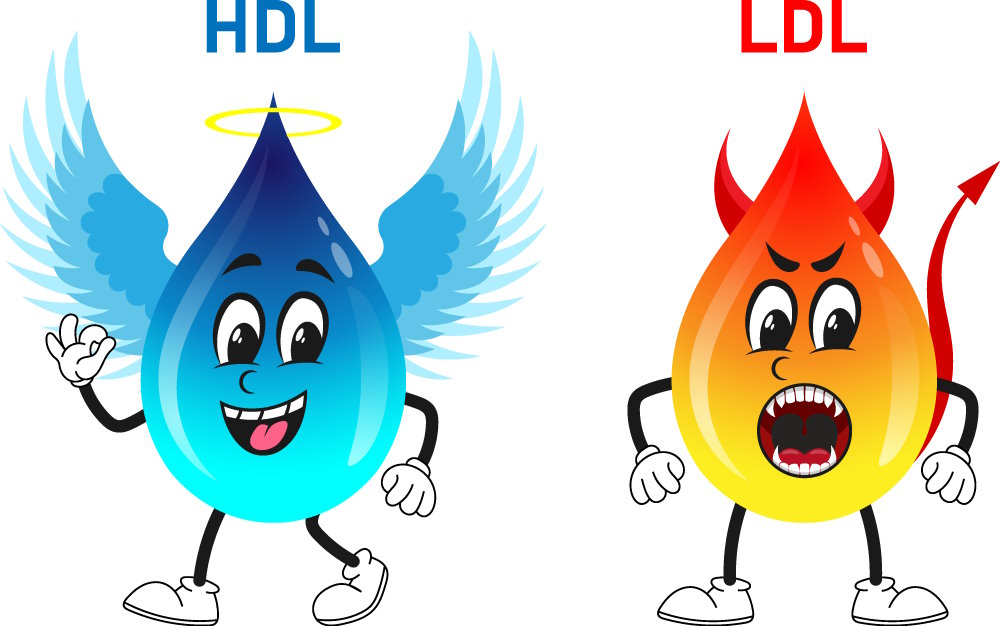
The problem is not that it exists, but the traffic it generates in our body. As cholesterol is a fat and our blood is water, they cannot mix. To travel through the bloodstream, cholesterol gets into "vehicles" called lipoproteins. The famous acronyms on your medical tests are, in reality, these delivery vans:
-
LDL (known as "bad cholesterol")
It is the delivery lorry that carries cholesterol from the liver to the cells.
-
HDL (known as "good cholesterol")
It is the recycling lorry, which collects excess cholesterol from the arteries and returns it to the liver to be eliminated.
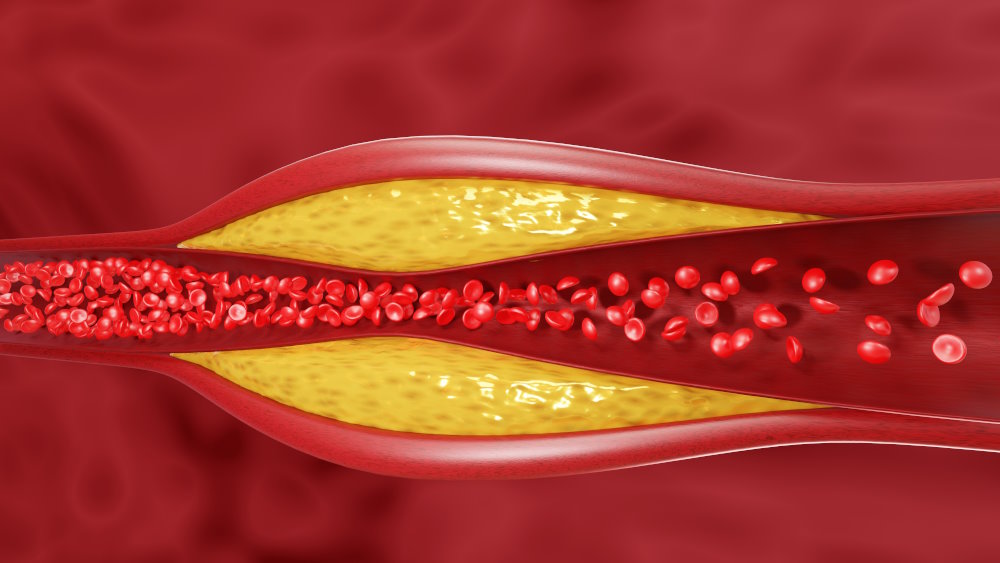
The traffic jam occurs when there are too many LDL lorries circulating and not enough HDL collection service. Those lorries end up parking on the artery walls, oxidising, and forming a rigid plaque.
-
The real goal is not to eliminate cholesterol entirely, but to help the body manage that traffic.
With good habits and quality extra support, we can help maintain a proper cardiovascular lifestyle. It is about giving your metabolism the correct instructions so that everything flows without traffic jams.
Green tea (Camellia sinensis) as an ally in weight and lipid control
Green tea (Camellia sinensis) is, undisputedly, one of the most studied, revered, and consumed natural beverages in human history.
Unlike black tea, the green tea leaf is not subjected to a deep fermentation or oxidation process, which is critical for preserving its rich matrix of bioactive compounds almost intact, among which catechins shine in their own right. The most relevant, abundant, and biologically active catechin in this plant is epigallocatechin gallate, commonly known by the acronym EGCG.
One of the most interesting and proven properties of green tea is its ability to "wake up" our metabolism. In fact, numerous clinical studies confirm that the regular consumption of its extracts helps in weight control¹.
How exactly does it achieve this? The key lies in the teamwork of its nutrients. The catechins and natural caffeine in the leaf join forces to gently stimulate our body, which contributes to the oxidation of fats.
In simpler terms: green tea teaches your body to use stored fat as its primary fuel. By burning this reserve more efficiently, it is much easier to maintain a healthy weight, a factor that is absolutely essential for protecting our heart in the long term.
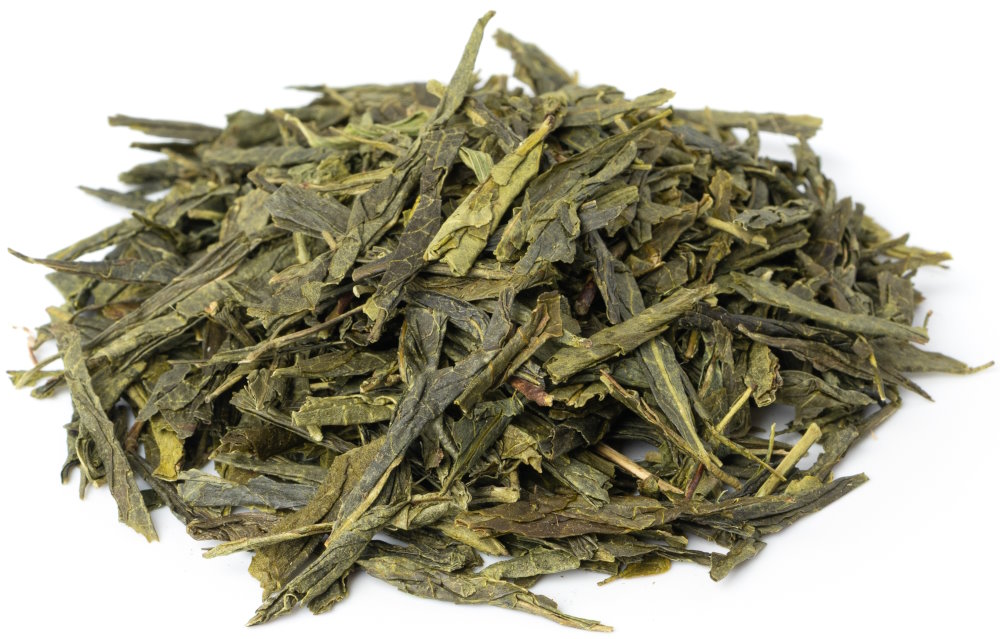
The positive impact of green tea goes far beyond the scales. If we incorporate it into our daily routine, this element helps us to regulate the LDL/HDL ratio and blood cholesterol levels2, balancing that "traffic" we mentioned earlier.
Its polyphenols act as a protective shield in our arteries. They prevent LDL particles from oxidising easily and, thereby, the extract of this plant contributes to maintaining normal or healthy cholesterol levels.
As a bonus, and living up to its ancient reputation, it has a well-known diuretic effect, which favours the elimination of fluids and supports our kidneys in their daily cleansing work.
The contribution of red yeast rice and Monacolin K in cholesterol control
This traditional ingredient, rooted for centuries in dietetics and traditional Chinese herbal manuals, is the result of a delicate natural process: the fermentation of white rice (Oryza sativa) using a very specific microscopic yeast strain called Monascus purpureus.
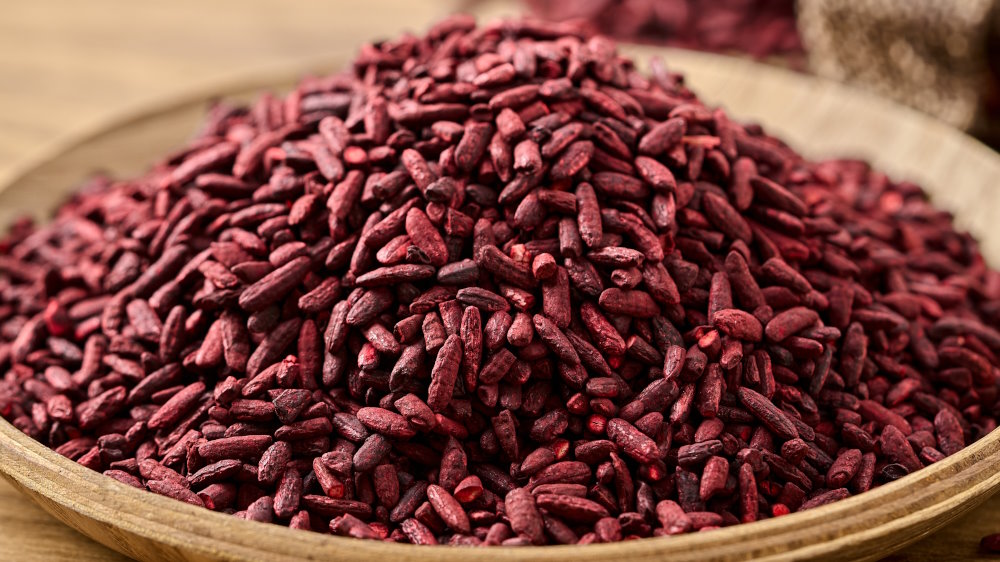
During this fermentation, the rice acquires a striking reddish colour and generates unique substances called monacolins. The undisputed star of this group is monacolin K. And why is it so special? Because monacolin K acts in our liver as a regulatory switch. When the liver is producing cholesterol at too fast a pace, this substance intervenes gently to turn down the revs of that internal "factory" a little.
By slowing down excessive production at the source, it is much easier for blood levels to stabilise. That is why it makes so much sense to combine different plants to look after ourselves. While one substance slows down excessive production in the liver, another protects the arteries and oxidises fats.
This is exactly why opting for joint formulas, such as a good extract of organic green tea and red yeast rice, is so interesting. It allows us to approach our heart's well-being from several fronts at once, taking advantage of traditional wisdom and the backing of modern science in a simple and practical way for everyday life3,4.
Nutrition, physical exercise, and natural extracts: The triad against cholesterol
Having reached this point, an exercise in honesty is mandatory: no matter how pure the composition of a natural extract may be, it can never reverse the chronic damage caused by a destructive dietary pattern or extreme sedentary behaviour. For our body to respond to these valuable phytochemicals, we must integrate them into what is known as the fundamental triad of cardiovascular well-being.
Diet and the Mediterranean diet
The number one pillar of this triad is nutrition. The Mediterranean diet, unanimously acclaimed by global cardiology committees, is the ideal breeding ground for success. It is based on a radical departure from hydrogenated fats and processed flours, embracing pure sources of monounsaturated and polyunsaturated fats such as those offered by extra virgin olive oil, oily fish rich in Omega-3, walnuts, and avocado. It is also of vital importance to strongly increase the daily consumption of soluble and insoluble fibre through seasonal vegetables, legumes, and oats, since this fibre acts as a physical "net" in the gut, trapping some of the excreted cholesterol and bile acids to facilitate their faecal elimination before they are reabsorbed into the bloodstream.
Physical exercise
The number two pillar is exercise. Frequent mixed training sessions (brisk walking, cycling endurance routines, swimming, and structured strength exercises) are irreplaceable tools to induce a real increase in the density of our HDL lipoproteins (the transporters that clean the arteries). Furthermore, constant physical activity improves metabolic flexibility, aligning in perfect harmony with the thermogenesis and oxidation properties we mentioned when discussing green tea.
Supplementation with standardised extracts
The third pillar is the prudent use of supplementation through standardised extracts. When exercise and nutrition take the lead, nutritional supplements cease to be "emergency plasters" and display their true calling: acting as specific health enhancers. They offer nutrients and bioactive compounds in exact, stable, and safe doses, bridging gaps and providing the metabolism with sophisticated tools to keep lipid parameters under control over the decades.
Why do we generate cholesterol at night?
The internal production of cholesterol obeys our circadian rhythm, reaching its maximum peak of synthesis during the early hours of the morning. This happens because the liver takes advantage of the period of rest and nocturnal fasting to manufacture lipids without the interference of digestive processes.
Due to this physiological cycle, it is usually recommended that aids focused on hepatic enzymatic regulation (such as red yeast rice) be consumed preferably with dinner. This way, we guarantee that the active compounds act just at the moment when the liver's "factory" is running at full capacity.
Important considerations and contraindications
Despite their botanical nature and high efficacy, the biological impact of these active ingredients demands a consumption guided by precaution and common sense. In relation to red yeast rice, it is recommended that its intake does not reach or exceed 3 mg of monacolins per day per dose, with the primary objective of guaranteeing an optimal tolerance margin and minimising the incidence of muscular or joint discomfort as much as possible.
On the other hand, pregnant or breastfeeding women, as well as children and those under 18 years of age, must not consume these extracts. Nor is its use recommended in people over 70 years of age without the prior approval of their doctor. It is essential to understand that these botanical active ingredients must not be consumed under any circumstances if you are already being pharmacologically treated with medical synthesis statins or cholesterol-lowering drugs, nor should they be combined with other supplements containing red yeast rice. Finally, those presenting medical histories with liver damage, severe renal pathologies, or active muscular disorders must abstain and consult their specialist doctor.
Bibliography
- Green tea supplementation affects body weight, lipids, and lipid peroxidation in obese subjects with metabolic syndrome. Basu, A., Sanchez, K., Leyva, M., Wu, M., Betts, N. M., Aston, C. E., & Lyons, T. J. (2010). Journal of the American College of Nutrition.
- Green tea intake lowers fasting serum total and LDL cholesterol in adults: a meta-analysis of 14 randomized controlled trials. Zheng, X. X., Xu, Y. L., Li, S. H., Liu, X. X., Hui, R., & Huang, X. H. (2011). The American Journal of Clinical Nutrition.
- Low daily dose of 3 mg monacolin K from RYR reduces the concentration of LDL-C in a randomized, placebo-controlled intervention. Heinz, T., Schuchardt, J. P., Möller, K., Hadick, U., & Hahn, A. (2016). Nutrition Research.
- Red Yeast Rice for Hypercholesterolemia. Cicero, A. F. G., Fogacci, F., & Banach, M. (2019). Methodist DeBakey Cardiovascular Journal.
About the author
Content researched and written by the Anastore editorial team.
Reviewed and verified against scientific literature by our Nutrition and Research Department.
Find out more about our editorial policy and scientific rigour.

This article is strictly for informational purposes and does not replace the advice of a healthcare professional.