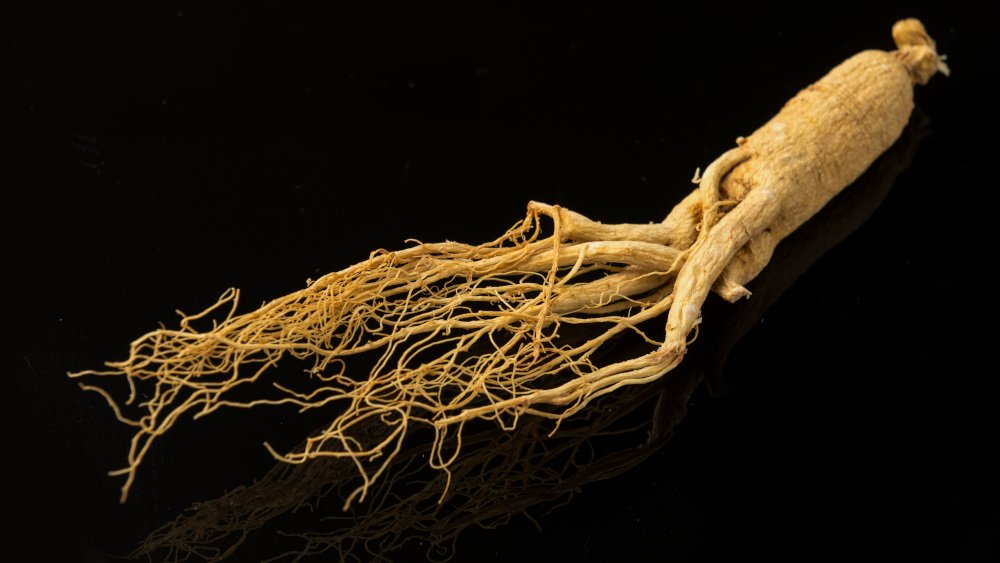
White ginseng powder: how to take it and with which foods
Panax ginseng is one of the botanical plants with the most scientific backing in the field of functional nutrition. Traditionally used to support cognitive performance and help the body manage energy demands, its popularity means that today we have multiple ways to consume it.
However, choosing between buying ginseng extract in capsules or buying ginseng root powder is not a simple matter of taste. It is a decision that significantly modifies the user experience and the way your digestive system processes nutrients.
In addition to this, the type of ginseng must also be taken into account. Probably the best known is red ginseng, but here we also present white ginseng, looking at how it is obtained and what differentiates it from the red variety.
Differences between white and red ginseng
If you have ever wondered what the difference is between white and red ginseng, the answer lies in the temperature.
Red ginseng
Red ginseng undergoes a steaming process with intense heat before dehydration. This thermal shock not only gives it its characteristic reddish hue but also alters its molecular structure, concentrating certain specific compounds very rapidly. It is a useful process for certain traditional and specific uses.
White ginseng
Conversely, to maintain the properties of white ginseng, the raw root undergoes a much more unhurried process. After being carefully cleaned, it is left to dry naturally, usually by exposing it to the sun or using air at very mild temperatures. By avoiding the extreme heat of steaming, several fundamental biochemical phenomena occur:
- The root retains its natural light colour.
- Various native enzymes of the living plant remain intact.
- A specific profile of saponins (the active principles known as ginsenosides), which are highly sensitive to heat degradation, is protected.
- The physical structure of its plant fibres is preserved.
This gentle drying makes the white root an ideal ingredient when seeking sustained and balanced support, without the overstimulating effect that some people experience with more aggressive thermal processing.
Furthermore, opting for an organic white ginseng powder offers the maximum guarantees of coming from a crop free of pesticides, herbicides, and synthetic chemical compounds. If we introduce agrotoxins into the gut, we run the risk of damaging the very bacteria we need to assimilate the plant. A healthy bacterial ecosystem requires cleanly grown food.
Comparison table: White Ginseng vs. Red Ginseng
| Characteristic | White ginseng | Red ginseng |
|---|---|---|
| Dehydration process | Natural drying (in the sun or with mild air at a low temperature). | Steaming at high temperatures prior to drying. |
| Root colouration | Light, cream, or natural pale yellow hue. | Reddish, amber, or dark brown hue. |
| Skin preservation | Traditionally peeled and cleaned before starting natural drying. | Generally processed with its outer layer (skin) intact. |
| Behaviour in the body | Sustained release, gradual and balanced action. | Faster absorption, more direct and intense action. |
| Ideal usage goal | Daily maintenance, constant nutrition, and long-term metabolic balance. | Specific support during acute peaks of physical or mental demand. |
Why take ginseng powder instead of extract?
While standardised extracts in capsules are excellent and precise tools for moments of maximum demand (where we seek to isolate the active compound for rapid absorption), the use of the crushed plant responds to a completely different approach: respect for the "food matrix".
What is the food matrix?
It consists of the complex physical and chemical structure in which nutrients are found within a natural food. When you decide to take ginseng powder, you are choosing to consume that entire structure.
In the powder format there are ginsenosides and something more
When pulverising the dry root of white ginseng, ginsenosides do not enter your body alone. They are accompanied by complex carbohydrates, a high percentage of plant polysaccharides, minerals, and a network of dietary fibre.
This complete structure forces your stomach and digestive enzymes to work to break down the fibrous casing. The result? The release of active compounds into your bloodstream does not occur all at once, but in a much slower, more gradual, and sustained manner.
This progressive trickle of nutrients helps maintain a stable level of vitality over the hours, integrating harmoniously into your metabolism without generating energy spikes or crashes.
Which foods to combine ginseng powder with in your recipes
If you have an aversion to swallowing capsules or prefer to integrate ginseng into your life in a more natural way, the powder format is a great option thanks to its versatility.
1. Ginseng with quality lipids (healthy fats)
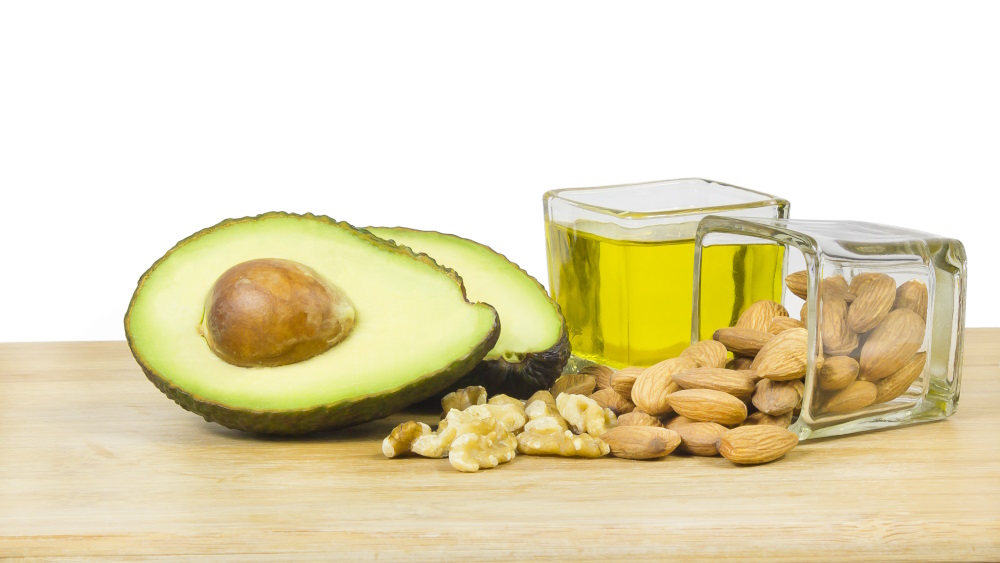
Ginsenosides belong to a large chemical family known as triterpene saponins. One of the particularities of these molecules is that, although they interact with water, they have a clear preference for fat-rich environments (lipophilic nature).
When consuming the powder along with a healthy fat source, the digestive system sends a signal to the gallbladder to release bile. These bile salts act as a natural emulsifier, creating small bubbles called micelles, which help coat the ginseng components to facilitate their transport to the intestinal absorption walls4.
Practical ideas for everyday use:
Mix your dose of ginseng powder into a full-fat plain or Greek-style yoghurt. Milk fat will act as the perfect vehicle.
If you make smoothies, always add half an avocado or a teaspoon of pure almond or peanut butter.
In warm infusions, you can add a few drops of extra virgin coconut oil and stir vigorously.
2. Ginseng with vitamin C
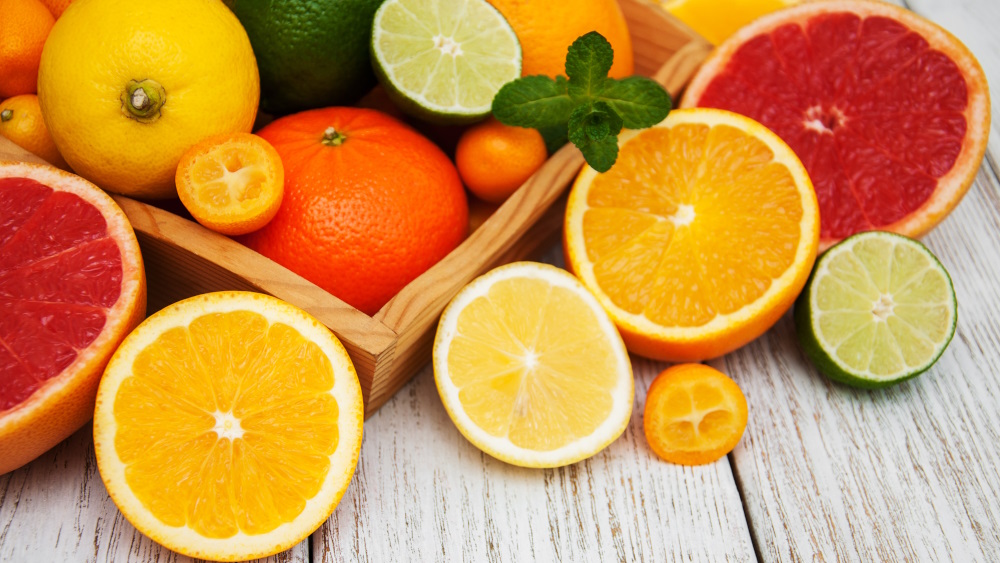
The gastric environment is hostile. Stomach acid and oxygen exposure during digestion can alter some of the most sensitive bioactive compounds of raw root powder.
The combination with vitamin C (ascorbic acid) provides excellent antioxidant support. In the digestive environment, vitamin C helps protect the bioactive compounds of the root against early oxidation. Furthermore, on a systemic level, vitamin C contributes to the protection of cells from normal oxidative damage5.
Practical ideas for everyday use:
Add the powder to a freshly squeezed natural juice of orange, grapefruit, or mandarin (always with its pulp).
Sprinkle ginseng into a fruit bowl containing strawberries, kiwis, or papaya, which are excellent sources of vitamin C.
If you take it in an infusion, add a good splash of fresh lemon juice just before drinking it (when the water is no longer boiling, so as not to destroy the vitamin C).
3. Fermentable prebiotic fibres
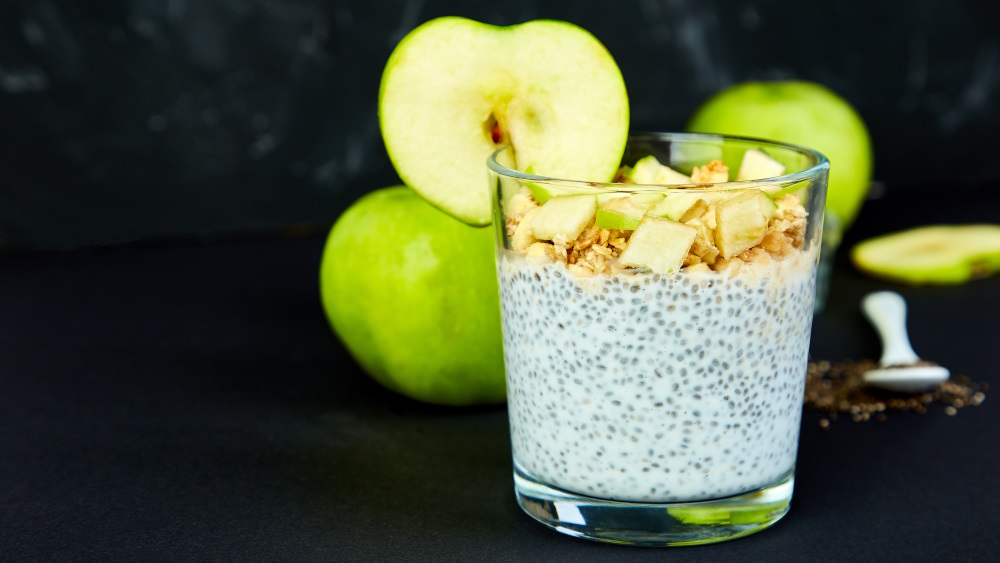
By including foods rich in fermentable fibre along with ginseng, you create a nutrient-rich environment in your large intestine, increasing the activity of the microbiota that will be in charge of transforming the ginseng compounds into a much better absorbable form by the intestine.
Practical ideas for everyday use:
Oats: Mix white ginseng powder into your breakfast porridge. Oats contain beta-glucans, a fibre highly valued for intestinal transit.
Hydrated seeds: Prepare a chia or flaxseed pudding by letting them sit in liquid. The gel they form (mucilage) provides an excellent substrate (food) for your microbiota.
Cooked apple: Homemade apple compote releases pectin, a gentle fibre that improves entire intestinal transit and protects the walls of the digestive system, creating the ideal environment to assimilate ginseng.
Summary table of food combinations with ginseng powder
To always have it at hand, here are the best combinations:
| Combination | Function | Recommended foods |
|---|---|---|
| Adding fats | Facilitates the creation of micelles for better intestinal transport. | Full-fat yoghurt, kefir, avocado, virgin coconut oil. |
| Adding vitamin C | Protects the active principles from oxidation in the stomach. | Strawberries, kiwi, whole citrus fruits, raw pepper. |
| Adding prebiotics | Feeds the bacteria responsible for metabolising ginseng. | Oats, hydrated chia, baked apple, cooked plantain. |
Precautions, side effects and contraindications of white ginseng
The consumption of this botanical root is generally well tolerated in healthy adults, especially in its gently dried powder form, which is well assimilated by the body.
However, usage exceeding the recommended doses could generate transient digestive discomfort or a slight feeling of nervousness. If consumed in the late afternoon or evening, it could alter the resting rhythm and make it difficult to fall asleep due to its invigorating nature1.
It is important to note that Panax ginseng intervenes in normal carbohydrate metabolism, so those under medical treatment with hypoglycaemic drugs (to reduce blood sugar) should monitor their levels to avoid interactions. It may also interfere with the action of anticoagulant medications.
Who should not take it
As a general precautionary measure in the field of botanical supplements, its use is not recommended for pregnant women or during the breastfeeding period, as there are no conclusive studies on its use in these phases. Likewise, its administration in children and adolescents in stages of physical development should be avoided. In case of chronic pathologies or scheduled surgeries, it is imperative to consult beforehand with a registered healthcare professional.
Bibliography
- European Union herbal monograph on Panax ginseng C.A. Meyer, radix. European Medicines Agency (EMA), Committee on Herbal Medicinal Products (HMPC). (2014). (Current and updatable regulatory monograph).
- The interactions between gut microbiota and Panax ginseng: A comprehensive review. Sun, S., Wang, Y., Wu, Z., et al. Journal of Ginseng Research, 45(4), 587-594. (2021).
- Ginsenosides and Gut Microbiota Interactions: A Recent Update. Li, X., Wang, Q., et al. Nutrients, 14(15), 3075. (2022).
- Enhancing the oral bioavailability of ginsenosides: from traditional processing to novel delivery systems. Zhao, H., et al. Drug Delivery, 29(1), 3244-3258. (2022).
- COMMISSION REGULATION (EU) No 432/2012 of 16 May 2012 establishing a list of permitted health claims made on foods, other than those referring to the reduction of disease risk and to children's development and health.
About the author
Content researched and written by the Anastore editorial team.
Reviewed and verified against scientific literature by our Nutrition and Research Department.
Find out more about our editorial policy and scientific rigour.

This article is strictly for informational purposes and does not replace the advice of a healthcare professional.