Guarana for weight management? How it truly works in your metabolism
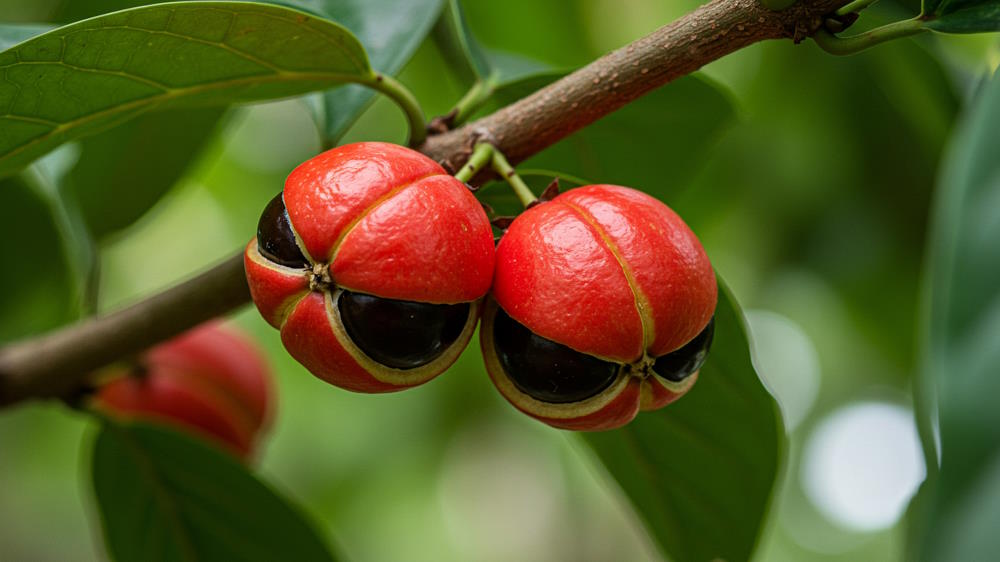
Guarana (Paullinia cupana) is a seed native to the Amazon basin that has gone from a traditional remedy to combat fatigue to an ingredient widely studied by modern science.
Far from the myths, guarana extract has concrete properties that interact with our energy expenditure through a mechanism called thermogenesis. We will try to explain simply how it acts on fat metabolism and what makes it different from your everyday coffee.
Thermogenesis: Can guarana help to "burn" calories?
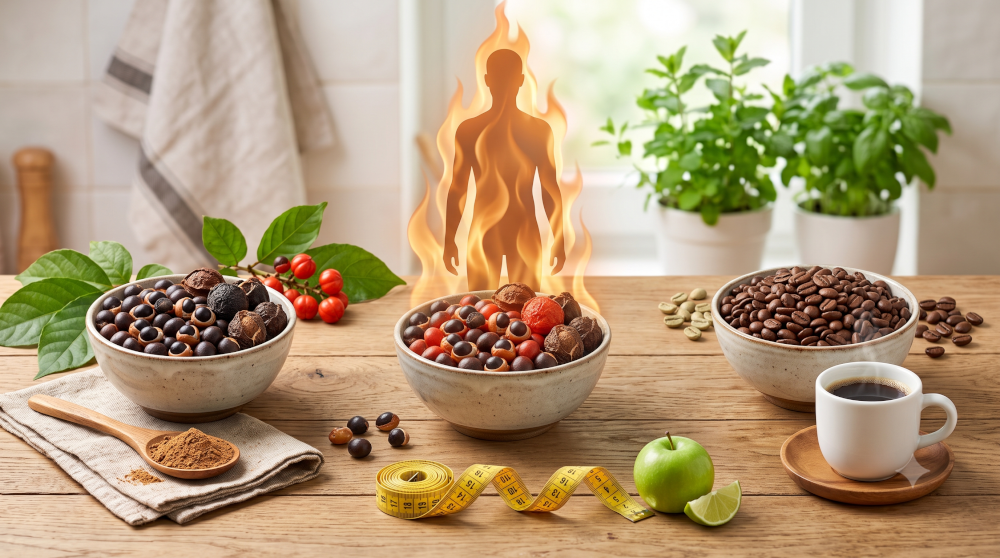
The word thermogenesis literally means "creation of heat". Our body needs fuel to generate that heat and maintain body temperature. That fuel comes from the calories we eat or from fat reserves. Guarana acts as a natural thermogenic support through several mechanisms2:
1. Cell messengers and metabolism
Guarana compounds prevent the degradation of a key molecule in our cells called cAMP (a cellular messenger). By keeping the levels of this messenger high, the body receives the signal that it needs to produce energy, which helps to boost metabolism.
2. Fat mobilisation (lipolysis)
Guarana, through its natural caffeine, stimulates the release of catecholamines such as adrenaline4. These hormones "notify" the cells where we store fat (adipocytes) to break down triglycerides. These lipids are released into the blood as fatty acids so that the muscles and other organs can use them for energy.
3. Impact on resting energy expenditure
Even when we are sitting or breathing, our body expends energy (basal metabolism). Several studies indicate that the stimulants present in guarana can slightly raise this resting expenditure2. Coupled with a proper diet, this small daily increase can be a useful aid over time.
Guarana vs. coffee: how do they differ?
Guarana is a climbing plant native to Brazil, known for its black seeds surrounded by a white aril. Traditionally, local communities consumed it before long physical working days due to its ability to maintain energy levels.
What makes this seed special is its composition. A regular coffee bean usually contains between 1% and 2% caffeine. In contrast, dry guarana seeds can reach between 3% and 7%1. In botany, this substance is sometimes called "guaranine", but chemically it is identical to caffeine.
Did you know…
Guarana is the plant source with the highest concentration of caffeine discovered to date.
So, if it is the same molecule, why is the effect on our body so different? The answer lies in the rest of the plant's components.
The absorption of its components makes the difference
Thinking that guarana is simply "a very strong coffee" is a common mistake. The way our digestive system processes both drinks is very different due to the plant structure that accompanies the caffeine3.
| Characteristic | Guarana extract | Conventional coffee |
|---|---|---|
| Structure | Caffeine is bound to tannins and fibre | Caffeine is free in the liquid |
| Energy release | Slow, sustained and progressive | Rapid, with an initial energy spike |
| Duration of effect | Long (can last from 4 to 6 hours) | Short (1 to 3 hours, often followed by a crash) |
| Other components | Rich in tannins, saponins and theobromine | Chlorogenic acids |
The secret of guarana lies in the tannins, antioxidant compounds (the same ones that give red wine or black tea their astringent touch). In guarana, tannins are bound to caffeine. When we take it, our stomach and intestines have to work to break that bond.
The practical result is that caffeine is released into the bloodstream "drop by drop"3. This provides us with constant energy for hours, avoiding the sudden jitters and the classic crash that many people experience when drinking coffee.
Practical tips for taking guarana
To get the most out of guarana without altering your daily well-being, keep these simple guidelines in mind:
- The best time of day: As its effect is prolonged, it is ideal to take it in the morning with breakfast, or about 45 minutes before exercising.
- Protect your sleep: Avoid taking it mid-afternoon or at night. Poor sleep raises cortisol (stress) levels in the body, which hinders weight loss and negates the benefits of the supplement.
- Drink enough water: By promoting thermogenesis, your body will need to be well hydrated.
Guarana is a very interesting, science-based natural tool to support our metabolism. Of course, it does not replace the basic pillars of health: a balanced diet and regular physical exercise. No supplement can compensate for a poor diet.
However, when you are doing things right, a good standardised guarana extract can provide that sustained extra energy by encouraging your body to use fat as an energy source more efficiently. Ultimately, it is a support for an active lifestyle.
Frequently Asked Questions (FAQ) about guarana
What is the difference between caffeine from guarana and caffeine from coffee?
Although the caffeine molecule is exactly the same, the way our body assimilates it is very different. In guarana, caffeine is bound to the seed's tannins and fibre. This causes its release into the bloodstream to be much slower and more progressive. While coffee gives you a quick energy "spike" (and a subsequent crash), guarana offers more sustained mental and physical stimulation over the hours.
Does guarana have side effects or contraindications?
Being a powerful natural stimulant, excessive consumption can cause effects similar to those of coffee abuse: jitters, insomnia, tachycardia or gastrointestinal irritability. In addition, as a general precaution in nutrition, its use is not recommended for:
- Pregnant or breastfeeding women.
- Children.
- People with severe hypertension or uncontrolled cardiovascular problems.
When is the best time to take a guarana supplement?
To make the most of its ergogenic properties (performance enhancement), the optimal time is about 30 to 45 minutes before physical activity (strength training, running, cycling) or intense mental effort (studying, exams or demanding workdays). It is advisable to avoid its consumption late in the afternoon so as not to interfere with circadian rhythms and a good night's rest.
Does guarana help you lose weight?
Guarana can be a great ally during cutting phases or fat loss, but it is not "magic". Thanks to its high content of caffeine and other phytochemicals, guarana has a thermogenic effect (slightly raising resting caloric expenditure) and promotes the mobilisation of fats to be used as energy. For it to work, it must always be accompanied by a calorie deficit and regular physical activity.
Bibliography
1. Guarana: Revisiting a highly caffeinated plant from the Amazon. Schimpl, F. C., da Silva, J. F., Gonçalves, J. F., & Mazzafera, P. (2013). Journal of Ethnopharmacology.
2. Normal caffeine consumption: influence on thermogenesis and daily energy expenditure in lean and postobese human volunteers. Dulloo, A. G., Geissler, C. A., Horton, T., Collins, A., & Miller, D. S. (1989). The American Journal of Clinical Nutrition.
3. Improved cognitive performance in human volunteers following administration of guarana (Paullinia cupana) extract: comparison and interaction with Panax ginseng. Kennedy, D. O., Haskell, C. F., Wesnes, K. A., & Scholey, A. B. (2004). Pharmacology Biochemistry and Behavior.
4. Scientific Opinion on the substantiation of health claims related to caffeine. EFSA Panel on Dietetic Products, Nutrition and Allergies (NDA). (2011). EFSA Journal.
About the author
Content researched and written by the Anastore editorial team.
Reviewed and verified against scientific literature by our Nutrition and Research Department.
Find out more about our editorial policy and scientific rigour.

This article is strictly for informational purposes and does not replace the advice of a healthcare professional.